
How to Use Raised Beds in a Small Garden
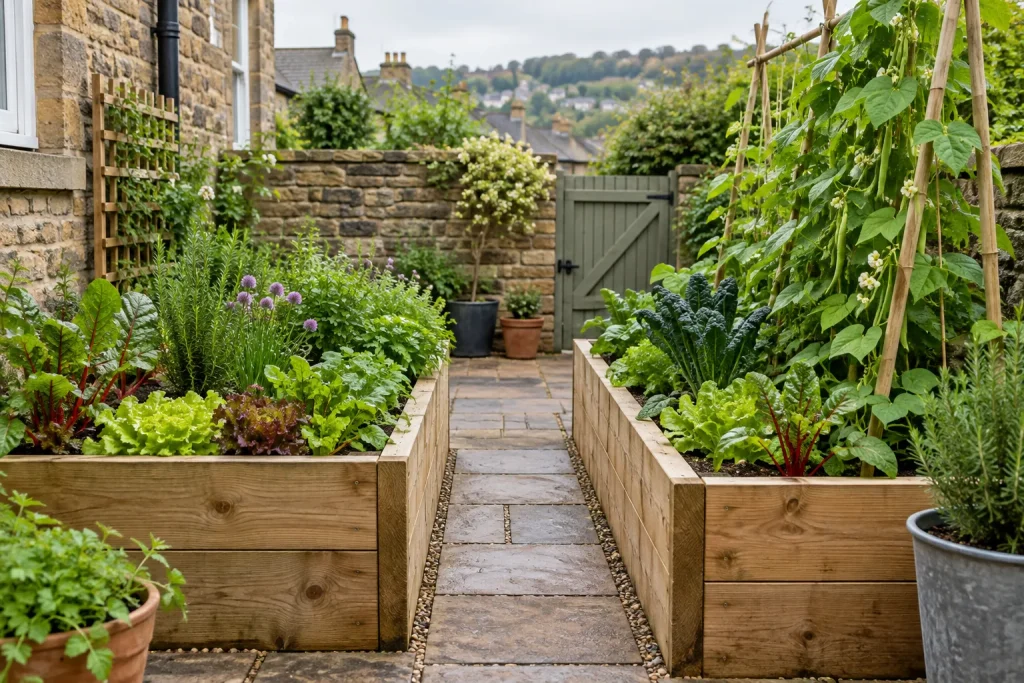
Raised beds are a solution for urban gardening, especially in tight spaces. By placing these beds in sunny areas and using high-quality soil, she creates an ideal setting for her plants. With planning, she sets up clear planting zones that make her garden attractive and easy to navigate, allowing access without stepping on the soil. Adding vertical elements like trellises organises the area and enhances visual appeal, turning her small garden into a lively retreat filled with greenery.
Planning Raised-bed Layouts
When planning raised beds, consider their impact on your garden layout. In a small area like a 10m x 5m Victorian terrace city garden, positioning is crucial. Create clear planting zones that look good and allow easy movement. Choose straight lines for a clean look or curves for a softer feel, both options can enhance your design. A lawn-free layout can leave more room for growing beds, with clear paths between them for watering and harvesting.
Accessibility
Ensure you can easily reach every corner without stepping onto the beds. A height of up to 1m allows for easy access and simplifies maintenance, especially if mobility becomes an issue later. As you plan layouts, align bed sizes with features like bifold doors to maintain balance, consider making them multiples or fractions of door width for harmony throughout the area.
Visual Interest
Layering multiple planting areas along the length of your plot adds visual appeal and engages visitors, creating an adventure path rather than just another backyard patch. The right arrangement transforms limited space into lively ecosystems full of life!
Curved Versus Straight Beds
In your journey of creating raised beds, choosing between curved and straight designs can affect their functionality and appearance. Straight beds provide a tidy layout, making it easier to plan plant placement and allowing clear walking paths. Curved beds offer a natural touch that softens the space and invites exploration among plants.
When planning these shapes in your 10m x 5m area, consider how each style fits with existing features like patios or seating areas. Curved beds may blend well with rounded benches or circular paving stones, while straight lines could align nicely next to clean paths leading from the house to flower-filled spots.
Accessibility is key; ensure every bed is easy to reach without stepping onto them, this simplifies maintenance and minimises soil disturbance. For sizes, heights up to 1m provide good growing depth while remaining manageable for regular care.
Consider spacing as well: wider planting zones encourage healthy growth instead of leaving gaps that reduce visual appeal, important for maintaining an inviting atmosphere in limited spaces! Whether you choose sharp angles or flowing curves, let your creativity guide you in designing areas where beauty meets practicality.
The Pros & Cons of Raised Beds in Small Gardens
Pros
-
Raised beds clearly outline planting areas and provide height for smaller gardens.
-
They make gardening easier for those with limited mobility.
-
You can create raised beds on soil that doesn’t drain well, avoiding ground drainage problems.
-
Different layouts, like curved or straight designs, can improve the visual appeal of your garden.
-
Timber raised beds, such as the Caledonian Trough Raised Bed, come with a 15 year Anti-Rot guarantee.
Cons
-
Building raised beds can get pricey, depending on the materials you choose.
-
You may need to do regular upkeep and occasional fixes, especially if you use untreated wood for the frames.
-
Plants in raised beds often dry out quicker because of better drainage, so you'll have to water them more often.
-
If your bed is deeper than “up to 1m,” it might be tough to reach plants without getting into the bed yourself.
-
Small gardens have limited space, which could limit both plant variety and growth potential.
Bed Depth and Accessibility
When considering bed depth and accessibility, these factors can enhance your gardening experience. Raised beds are typically built to a height of up to 1m, allowing easier care for plants without stepping on the soil, which reduces compaction and promotes healthier growth. This height enables comfortable access for maintenance tasks.
As you determine the size of your raised beds, also consider their placement in your garden layout. In a 10m x 5m Victorian terrace garden, thoughtful positioning can create visual harmony and facilitate navigation through plantings. It’s beneficial to place planting areas close enough for easy reach while spaced apart to prevent overcrowding and ensure maximum sunlight exposure.
Varying Depths
Think about adding different depths too! Beds that taper or step down provide more growing options and add interesting layers across your plot. Wide planting zones support healthy growth and create an inviting atmosphere where beauty coexists with practicality. By planning around depth and accessibility, you’ll cultivate more than just plants, you’ll develop an engaging outdoor sanctuary!
Choosing Construction Materials
When choosing materials for raised beds, your decisions affect their functionality and appearance. Many gardeners prefer timber; pressure-treated softwood sleepers are an attractive, cost-effective option that lasts for years. If using untreated wood, consider lining the inside with recycled plastic sheeting to prevent soil leaching, this step will help your plants thrive and extend the life of your beds. For a more durable or visually striking option, natural stone or brick may be appealing, though these typically require skilled labor and can be more expensive.
Drainage Considerations
If placing these beds over hard surfaces like patios, ensure proper drainage by drilling holes in the timber sides or leaving gaps between brick joints, these methods allow excess water to escape while keeping roots healthy. A well-planned filling mixture is also important: combine three parts organic matter with four parts sharp sand and seven parts topsoil when building on solid ground to improve moisture retention without losing drainage capability.
Alternative Material Choices
Another option is recycled-plastic “sleepers,” which resist weather elements but may come at a higher price point. Paving slabs offer a budget-friendly solution when installed upright; just remember to bury 15cm (6in) of them for stability while allowing enough height above soil level for planting depth. As you consider these options, think about how each material fits with your garden’s overall look and its practical needs, ensuring easy access during maintenance so every plant stays healthy.
Maximise Space with Raised Bed Strategies
| Feature/Specification | Caledonian Trough Raised Bed |
|---|---|
| Dimensions (L x W x H) | 42 x 180 x 45 |
| Capacity | 250L of compost |
| Material | Pressure-treated natural timber |
| Warranty | 15 year Anti-Rot guarantee |
| Country of Sourcing | United Kingdom |
| Construction Ease | Easy to build, includes step-by-step instructions |
| Suitable for | A variety of plant life, including kitchen gardens for herbs and vegetables |
Drainage Over Hard Surfaces
When setting up raised beds on hard surfaces, it’s important to ensure proper drainage. If your garden has a patio or solid surface, make sure water can escape easily to avoid waterlogging and root rot. For wooden beds, drill holes in the sides to help excess moisture drain out. If using stone or brick, leave gaps between joints so rainwater and irrigation runoff can flow freely.
Filling Process
The filling process is crucial! Use a balanced mix of three parts organic matter, four parts sharp sand, and seven parts topsoil when working on hard surfaces like patios. This combination improves drainage and provides essential nutrients without risking overwatering, a common problem with compacted areas like concrete slabs or bricks.
Regular Maintenance
Keeping up with maintenance is vital too! Just as you’d refresh potting soil in containers each season, aim to replace what’s inside your raised beds every year or every other year. Doing this helps maintain healthy growing conditions and supports vibrant plant life even if heavy clay soils are beneath those stones!
Accessibility
Finally, think about accessibility! Design each bed so you can easily reach everything without stepping onto planted areas; combine function with aesthetics by adding pathways that guide visitors through lush growths instead of just around them! By considering these factors during the planning stages for elevated planting zones above solid ground layers, you’ll ensure both visual appeal and practical effectiveness throughout all seasons ahead!
Filling Beds and Soil Testing
As you prepare to fill your raised beds, focus on the right mix of materials for healthy plant growth. A good mixture includes three parts organic matter, four parts sharp sand, and seven parts topsoil, especially important when building on hard surfaces like patios or driveways. This blend encourages proper drainage and ensures that plants receive essential nutrients without becoming waterlogged. It creates a space where roots can spread easily while retaining moisture during dry periods. Consider this step as laying the groundwork for a successful garden.
Testing Soil Ph
Testing soil pH is another key step before planting; it helps determine which types of plants will thrive in your garden setup. Use simple testing kits from gardening stores and adjust based on your findings, add lime to increase alkalinity or sulfur to decrease it if necessary. Knowing whether your soil is acidic or neutral can help avoid problems later; choosing the right plant varieties can transform an ordinary patch into a vibrant garden space!
Discovering Raised Bed Secrets for Small Gardens
-
Raised beds improve small gardens by marking planting areas and adding height, useful in urban environments like a 10m x 5m Victorian terrace city garden with a side return.
-
Raised beds should fit the overall garden layout and meet the gardener's needs, emphasizing customisation.
-
Raised beds help those with limited mobility tend to their plants since they can avoid deep spots requiring climbing for upkeep.
-
You can build raised beds at any time of year; many gardeners find winter more convenient.
-
Timber is often used for raised beds, but options like stone, brick, paving slabs, and recycled plastic offer different costs and maintenance needs.
Watering and Moisture Retention
Watering raised beds is essential for a successful garden, especially in smaller spaces where water evaporates quickly. Plants in raised beds may struggle with drought due to good drainage; thus, monitoring soil moisture levels is crucial. Check by sticking your finger about an inch into the soil, if it feels dry, it’s time to water. When temperatures rise or windy days occur, increase watering frequency.
Mulching
Adding mulch benefits your garden routine. It keeps the soil moist, slows evaporation, and protects plant roots during hot weather while reducing weeds that compete for nutrients and water. For herbaceous perennials or vegetables needing more hydration, using organic materials like straw or wood chips as mulch is particularly helpful.
Efficient Irrigation Methods
Consider using efficient watering methods like drip systems or soaker hoses designed for raised bed gardens; they provide consistent moisture directly to the roots without wasting water through runoff. Watering deeply but less frequently encourages stronger root systems that dig deeper, helping plants withstand drier periods and supporting overall health. By combining thorough watering practices with effective retention techniques, you ensure lush growth throughout all seasons in your small garden space!
Plant Selection for Bed Conditions
Choosing the right plants for your raised beds is key to building a successful garden, especially in smaller areas. As you evaluate factors like sunlight and soil type, remember that plant compatibility matters. If your raised bed has well-draining soil and gets lots of light, consider planting herbs with quick-growing veggies like radishes or lettuce. These plants thrive together and create an attractive look throughout your garden.
Experiment with different plant combinations; mixing perennial flowers with seasonal crops can enhance both beauty and functionality. If you have acidic soil conditions, adding ericaceous plants like blueberries or camellias can boost biodiversity. Just check pH levels before planting using a simple kit from any gardening centre. By considering environmental factors along with visual appeal, you’ll create a welcoming space that showcases productivity and artistry!
Selecting the Right Plants
Selecting the right plants for your raised beds is crucial to creating a thriving garden, especially in compact spaces.
Assessing Conditions
As you assess conditions like sunlight and soil type, remember that compatibility can make all the difference!
Experimenting with Combinations
Don’t shy away from experimenting with various plant combinations; layering different types, like mixing perennial flowers with seasonal crops, can add interest and utility.
Testing Soil Ph
Just be sure to test pH levels prior to planting using an easy-to-use kit from any gardening centre!
Transforming Your Small Garden
The transformation of your small garden into a lively oasis starts with arranging raised beds. Consider your space, where do you want areas that encourage exploration? In a 10m x 5m layout, strategic placement can enhance function and appearance. Create several planting zones along the length of your garden to guide visitors through lush plants instead of letting them wander aimlessly. Pay attention to how each bed interacts with sunlight and existing features like patios or seating; this integration creates an inviting atmosphere for everyone who steps outside.
Accessibility
Ensuring every part of your garden thrives without extra strain during maintenance is essential. As you finalize dimensions, keep heights up to 1m for ease while allowing plenty of growing depth. This way, plants can thrive without being overcrowded or hidden from view. Layering different plant heights adds visual interest while maximising soil volume, great for promoting healthy root systems and attractive looks. Embrace creativity as you develop spaces where form meets function, a vibrant sanctuary awaits just beyond those doors!
FAQ
What are the benefits of using raised beds in a small garden?
Raised beds create defined planting zones, enhance accessibility, improve drainage, add visual interest, simplify maintenance, and can be made from various materials like timber, stone, or recycled plastic.
How deep should my raised beds be for optimal plant growth?
Build raised beds up to 1m deep to provide roots ample growth space and ensure good drainage.
What materials can I use to construct my raised beds, and what are their pros and cons?
When building raised beds, consider materials like timber, stone, brick, paving slabs, and recycled plastic, each with distinct pros and cons based on your gardening goals and local conditions.
How do I ensure proper drainage for raised beds built on hard surfaces?
Drill holes in timber raised beds or leave gaps in stone beds at 45cm (18in) intervals, and fill with three parts organic matter, four parts sharp sand, and seven parts topsoil.