
Small Garden Design: Make the Most of a Compact Outdoor Space
Key Takeaways
- Readers learn to turn small outdoor areas into lively gardens using vertical structures, cozy spaces, and seasonal planting.
- This article emphasizes choosing larger focal points and selected materials that enhance aesthetics and practicality while maintaining balance.
- Advice on adding water features and night-scented plants encourages readers to transform compact gardens into charming retreats for day and night.
Maximising Vertical Space in Design
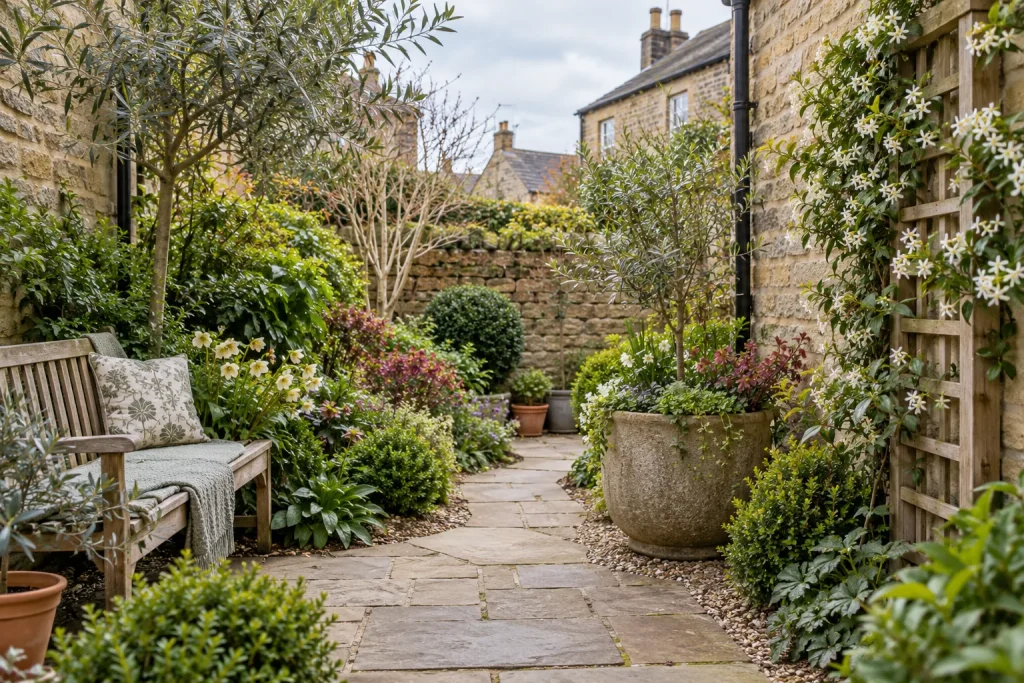
In a small garden, using vertical space can create an inviting area. Adding structures like trellises or pergolas can transform walls into beautiful backdrops for climbing plants like jasmine and roses. The evergreen jasmine (*Trachelospermum jasminoides*), with its shiny leaves that turn bronze in winter, brings fragrance and beauty year-round to a compact spot. Flowers from climbers like ‘Madame Isaac Péreire’ add height and attract pollinators during summer. Picture walking through your garden while wisteria drapes elegantly from a strong pergola, its delicate blooms adding visual interest overhead and filling the air with sweet scents on warm evenings. Including these vertical features enhances even small outdoor spaces; they create layers of attraction without taking up much ground room, allowing every bit to contribute to this vibrant tapestry of nature’s design.
Incorporating Water Features
Water Features
Adding a water feature can enhance your garden significantly.
Types of Water Features
Consider container ponds or solar-powered fountains.
Wall-mounted Options
Wall-mounted features save space and look great.
Birdbaths
A birdbath attracts wildlife and adds interest to your garden design.
Seasonal Plants
Aquatic plants keep things lively throughout different seasons.
Creating Balance
Water features help maintain ecological balance in small gardens.
The Pros & Cons of Compact Garden Design
Pros
-
A small garden, when designed well, creates specific areas for different activities, making it more usable.
-
Using vertical planting options adds visual appeal without taking up extra ground space.
-
Changing plants with the seasons keeps the garden looking fresh all year round.
-
Fewer but larger features help create a unified and tidy look.
-
Adding water features introduces movement and sound while attracting wildlife.
Cons
-
Limited space can limit the types of plants and features you can add.
-
Having too many elements can create a cluttered and unwelcoming feel.
-
Close proximity of plants and features may lead to increased maintenance needs.
-
Planning carefully might take time and be complicated for some gardeners.
-
Seasonal changes could require regular updates or replacements in container plantings.
Utilizing Oversized Objects
In a small garden, larger items can serve as focal points that add depth. Instead of filling the area with many small objects, choose fewer big pieces, like large planters or bold sculptures, to create harmony and visual anchors among the greenery. A sturdy steel planter with a zinc galvanized finish stands out and ages well, adding character to your outdoor space. A strategically placed stone statue or artistic piece can spark interest and conversation without overwhelming the senses. The key is to select these larger features carefully so they enhance rather than clash with nearby plants and textures.
This approach helps gardeners build peaceful spaces where each item contributes positively instead of adding clutter, a crucial point in smaller gardens.
Layering Plants Around Larger Features
These bigger elements also allow for layering lush plants around them; imagine herbs cascading from pots or bright flowers blooming at their base. This technique invites visitors to explore different heights within the garden while highlighting its richness without feeling cramped. Combining such design ideas provides both function and beauty, important aspects that resonate in any beloved green retreat despite size limits.
Seasonal Planting Strategies
To keep a small garden fresh and lively, seasonal planting strategies are essential. Each season offers its own mix of colours and textures, keeping the space interesting year-round. Planning for a variety of blooms ensures smooth transitions; as spring bulbs like tulips and narcissi fade, summer favorites like irises and crinums step in with bold shapes. Using containers allows easy plant swaps, consider replacing winter’s hellebores with autumn’s ornamental grasses or asters to maintain visual appeal! The interaction between different plants enhances the experience: fragrant flowers during evening gatherings create a lovely atmosphere while attracting pollinators during the day. Seasonal planning changes not just how spaces look but also how they feel, reminding us that even small outdoor areas have great potential when designed to reflect nature’s rhythm over time.
Maximise Every Inch: Smart Design Tips
| Element | Description |
|---|---|
| Climbing Plant | Trachelospermum jasminoides (Evergreen Jasmine) – Strong fragrance, year-round foliage, white flowers in summer. |
| Climbing Rose | Rose ‘Madame Isaac Péreire’ – Repeat-flowering climber, blooms from June to October; attracts bees and butterflies. |
| Water Feature | Options include a container pond, solar-powered fountain, wall-mounted feature, or recirculating pump for continuous flow. |
| Seasonal Plants (Spring) | Tulips, crocus, narcissi, scillas, fritillaries. |
| Seasonal Plants (Summer) | Irises, crinums, nerines, lilies. |
| Seasonal Plants (Autumn) | Cyclamen, colchium, ornamental grasses, asters. |
| Seasonal Plants (Winter) | Hellebores, evergreen structure, sculptural branches. |
| Evening Fragrant Plant | Lonicera periclymenum ‘Rhubarb and Custard’ – Intense evening fragrance; attracts pollinators. |
| Practical Seating | Foldable chairs, slim benches, built-in seating recommended for space-saving. |
| Lighting | Low-level lighting enhances safety and visibility while creating a warm atmosphere. |
| Material Suggestion | Durable porcelain with a matt finish; light colours can brighten a small garden. |
Layering Abundant Planting
Layering plants in small gardens creates a feeling of richness, transforming compact spaces into inviting green retreats. By placing plants at different heights, gardeners add visual interest while ensuring each plant has its role, like lavender cascading from terracotta pots or colourful annuals blending with perennials for ongoing appeal. This method enhances both aesthetics and practicality; mixing textures and colours forms an engaging landscape that encourages guests to stroll through dense greenery instead of feeling confined by sparse arrangements.
Creating Layers
To achieve this layered look, use a variety of plant types close together. Position taller plants like bright sunflowers behind shorter ground covers to establish a natural order that lifts the eye upward, making the garden seem larger. The goal is to fill empty spots without overcrowding, striking a balance that invites exploration and appreciation of every detail. This layering approach enhances sensory experiences; fragrant herbs tucked into corners release their scents when brushed against, attracting visitors and local wildlife drawn to the thriving mix of plants living together harmoniously.
Choosing Evening Fragrance Plants
Choosing evening fragrance plants can enhance a small garden, creating a magical spot as the sun sets. Night-scented flowers spread their lovely scents in tight spaces, making outdoor gatherings and quiet times more enjoyable. Consider adding *Lonicera periclymenum* ‘Rhubarb and Custard’; its strongly scented blooms open in early summer, inviting guests to stay longer under the night sky. Include compact honeysuckle varieties that produce bright flowers and attract pollinators with their sweet smell, drawing in bees and butterflies for your evening enjoyment.
Another option is *Buddleja davidii* ‘Black Knight,’ known for its captivating scent during warm months when many want to unwind outside. This low-maintenance plant requires little care; just remove spent blooms to promote ongoing flowering while enjoying its delightful aroma. Combine this with climbing roses like *Rosa Veilchenblau*, which offer subtle hints of orange blossom notes, creating a mix of fragrances throughout your garden, a blend of scents drifting gently as dusk approaches.
Selecting Aromatic Plants
Picking these fragrant plants ensures even smaller gardens come alive after dark, catering perfectly to those who find peace or happiness within nature’s presence at nightfall. These thoughtfully chosen elements create connections between people and wildlife; as aromas mingle in the air, they become part of shared moments among friends gathered around flickering candles or cozy seating areas surrounded by lush greenery. Incorporating evening fragrances transforms any small yard into an intimate haven where each moment feels enriched by nature’s charm long after daylight fades away.
Unveiling Secrets of Tiny Garden Spaces
-
A small garden can feel lush and welcoming with layered planting and vertical growth.
-
Using fewer but larger pieces in a compact garden creates a more unified and calming effect through negative space.
-
Climbing plants like jasmine and climbing roses demonstrate that limited ground space can be used effectively by growing vertically.
-
Simple water features like container ponds or wall-mounted fountains can add movement and sound to small gardens.
-
Planning for different bulbs and plants throughout the year keeps small gardens lively without major redesigns.
Planning Garden Layout and Zones
Strategizing the layout of a small garden is important for creating an inviting atmosphere that feels spacious and purposeful. Start by identifying distinct zones, areas for seating, planting, or movement, that guide visitors through your space. Create visual continuity by using similar colours or materials in these areas; consider placing matching planters while keeping pathways clear. This clarity allows each element to stand out without competing for attention, promoting a harmonious flow. For a long, narrow plot, dividing the view into zones across its length can make the layout easier to organise.
Establishing a Focal Point
Establishing a focal point enhances design impact significantly. A well-placed sculpture or attractive seating arrangement draws the eye and encourages exploration. Set up an oversized planter filled with colourful flowers at one end of the garden and arrange comfortable chairs nearby under shade from climbing plants, a great spot to relax! By carefully planning layouts that balance function with aesthetics, even small spaces can become enjoyable retreats where every moment outdoors is valued amidst nature’s beauty.
Selecting Materials and Lighting
The choice of materials and lighting is crucial in defining the vibe of a small garden, enhancing its appeal and functionality. Use durable outdoor materials that fit the design and withstand wear; consider porcelain or stone-like surfaces that blend with greenery. Light colours can brighten spaces, making them feel larger, imagine soft beige tiles reflecting sunlight among vibrant plants.
When it comes to lighting, remember how it enhances enjoyment after dark; low-level lights along paths or uplighting on plants can highlight features without being too bright. Aim for balance: select a limited colour scheme that flows through seating, planters, and light sources to maintain visual consistency. A thoughtfully chosen mix improves safety and creates cozy spots where every detail adds meaning to this retreat, a reminder that small gardens deserve careful planning for their unique charm during sunny days and starry nights.
Designing Your Compact Garden Oasis
In creating a compact garden oasis, it’s important to integrate design, plant selection, and functional features into a cohesive space that invites interaction. Each element should complement the others; every decision should focus on purpose and beauty rather than decoration. Vertical structures like trellises support climbing plants and act as living walls that soften edges and add depth. Jasmine wrapped around these supports fills the air with pleasant scents during the growing season. Larger planters or sculptures provide stability against lush greenery, a bold contrast that captures attention without overcrowding the space. Seasonal planting strategies are key: vibrant tulips can give way to summer’s bright lilies, all arranged thoughtfully so each bloom stands out while maintaining visual interest throughout the year.
Creating Zones
Establishing different zones in your small outdoor area is another essential design principle; by marking spaces for relaxation versus active gardening or movement through paths lined with soft groundcovers, you encourage exploration without making anyone feel cramped. This layered approach welcomes visitors into a setting where every detail counts, from fragrant blooms sharing stories of evening gatherings under starry skies to cozy seating areas tucked among thriving herbs and flowers waiting for gentle brushes at dusk.
Careful Editing
crafting this intimate sanctuary means careful editing: removing unnecessary items allows true treasures, the chosen plants and materials, to stand out more clearly. As layers build harmoniously across seasons, gardeners find joy in witnessing nature’s rhythm come alive right outside their doors, a sign that even small patches hold great potential when designed thoughtfully and creatively.
FAQ
What are the core principles of designing a small garden?
Designing a small garden involves balancing usability, visual appeal, and style while incorporating climbing plants, water features, and thoughtful materials for a clean, inviting space.
How can one establish a focal point in a compact garden layout?
Choose a key feature like a seating area or decorative piece to create a central point in a small garden design for visual harmony.
What types of climbing plants are recommended for maximising vertical space?
Use climbing plants like evergreen jasmine, ‘Madame Isaac Péreire’ roses, and wisteria to maximise vertical space in small gardens while enhancing aesthetics and attracting wildlife.
How does adding water features enhance a small garden environment?
Incorporating water features like container ponds or solar-powered fountains into a small garden enhances the environment by adding movement, sound, and visual appeal while attracting wildlife.
What strategies can be used to create an abundant planting feel without overcrowding?
Layer different foliage and flowers, allowing some to overflow edges and mixing textures for depth while maintaining an open vibe.
Why is it important to edit before adding new elements to a small garden design?
Editing your small garden design before adding new features ensures each part has a clear role, creating a cohesive and uncluttered space.