
Garden Design Ideas for Long, Narrow Gardens
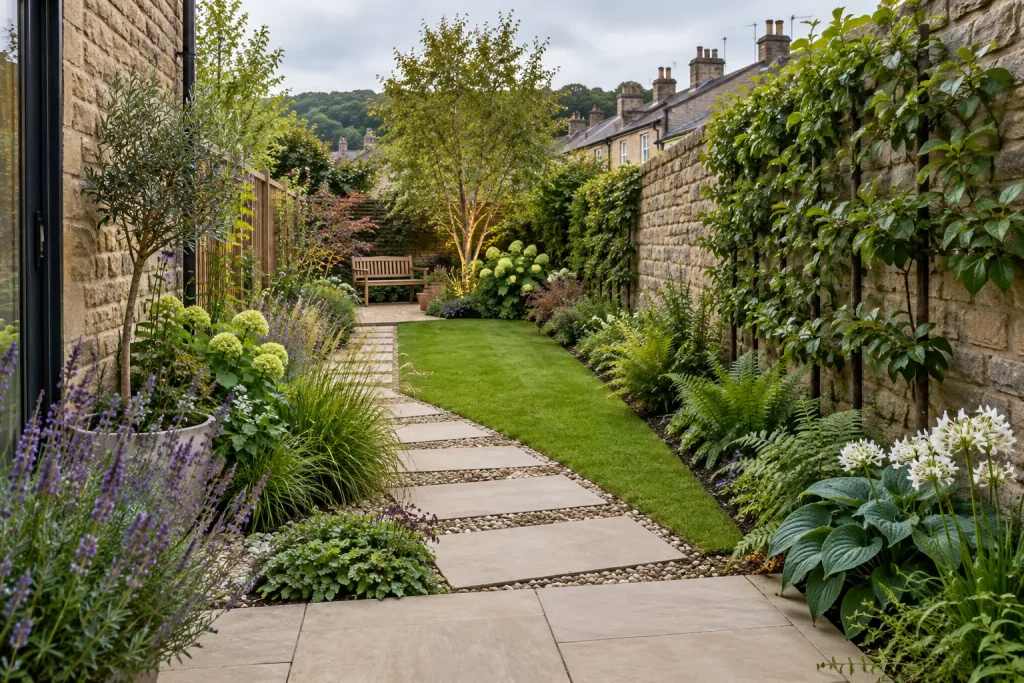
Key Takeaways
- Homeowners find zoning ideas that turn long, narrow gardens into inviting spaces with areas for relaxing and exploring.
- This article shows how vertical planting and varying depths add visual appeal, boost biodiversity, and maximise limited space.
- Readers gain practical advice on adding features like pathways, seating options, and focal points to encourage movement in their outdoor spaces.
Zoning Long, Narrow Gardens
To create a balanced long, narrow garden, zoning is essential. This involves dividing the space into areas for different functions while maintaining visual connections. Instead of allowing a straight line from door to fence to dominate the view, designers can add cross-axes by altering the layout, like using an angled patio or raised planting beds, to encourage movement across the garden’s width.
For example, a winding pathway could curve past raised beds and guide visitors to a peaceful terrace at the end. By incorporating features like this along with varied planting depths and heights, homeowners can transform what might feel like an endless hallway into an engaging journey filled with interest. Each section invites exploration: whether hosting friends near the house or growing vegetables in a quiet corner, this setup enhances both function and beauty within limited space.
Zoning for Balance
Breaking your garden into zones allows you to designate specific areas for relaxation, entertaining guests, or gardening.
Creating Movement
Incorporating pathways that lead visitors through these zones helps make use of every inch while maintaining flow.
Enhancing Visual Appeal
Using varied plant heights and styles adds depth to your garden design without overwhelming it.
Function Meets Aesthetics
A well-planned arrangement not only serves practical needs but also creates attractive outdoor spaces worth exploring.
Breaking the Corridor Sightline
To create a practical long, narrow garden, it is important to break up the straight sightline. Adding features that disrupt this linear view, like a curving pathway or staggered planter beds, encourages exploration rather than directing the eye to an empty end fence. Raised planting areas alongside a winding path can enhance visual appeal while promoting movement across the width of the space. Varying plant heights can lead the eye towards a seating area at the garden’s end.
The aim is to develop distinct zones within these elongated spaces without losing harmony. A strategically placed pergola or trellis can provide beauty and privacy while transitioning between activity areas, from gatherings near the house to quieter spots dedicated to gardening further down the plot. This design fosters interaction among different sections, turning potential dead zones into engaging spaces where every corner feels inviting and purposeful even in limited dimensions.
The Pros & Cons of Transforming Narrow Spaces
Pros
-
Cross-axes create separate zones, making the space easier to use and more visually appealing.
-
Deeper planting beds (60 to 90 centimeters) allow for layered plantings, providing structure without taking up too much width.
-
Angled or shaped patios break the straight-line effect, giving the garden a roomier feel.
-
Vertical elements like pergolas and trained plants add immediate visual interest and improve privacy.
Cons
-
A narrow space can limit your furniture options, which might lead to overcrowded seating areas.
-
If not dealt with during planning, heavy clay soils could create drainage problems at the far end of your garden.
-
Close-board fencing can take over the view and make outdoor spaces feel more closed off instead of welcoming.
-
Ignoring the middle sections of the garden may leave some areas unused, impacting the overall design consistency.
Paving Direction and Perceived Width
In long, narrow gardens, the paving layout significantly affects how people perceive the space. Placing stones or pavers across the garden’s width creates an illusion of more room by drawing the eye outward. Using large-format stone set horizontally enhances this effect while adding visual interest that highlights different areas. Laying paving lengthwise emphasizes linearity but may reinforce a tunnel-like feeling.
Jointing Patterns
Beyond placement, jointing patterns influence how visitors see their surroundings. A staggered pattern breaks up monotony and adds texture underfoot, contrasting with lush planting beds on either side. This approach works well with focal points at both ends; for example, a striking piece of art or an elegant water feature surrounded by carefully arranged foliage serves as an appealing destination.
Changes in Level
Making slight changes in level, like raising some sections higher than others, can bring more life into these elongated areas without overwhelming them visually or physically. Giving each section its own character while keeping everything connected allows homeowners to enjoy wandering through their gardens rather than feeling restricted by size alone. The end result? An inviting outdoor retreat where every pathway encourages exploration and every corner invites discovery amidst nature’s beauty.
Planting Bed Depth and Structure
The depth and structure of planting beds are key factors in transforming long, narrow gardens into lively spaces that encourage interaction. Shallow beds often appear dull, just a thin strip against the fence, but deeper planting areas, ideally between sixty to ninety centimetres, create a more noticeable presence. Defined zones allow for layering: taller plants at the back flow down to low ground covers in front. This arrangement adds visual interest and makes each bed feel substantial rather than temporary. Raised sleeper beds can add height and define boundaries beside a curving pathway, reducing the visual dominance of fencing.
Choosing Plant Varieties
Selecting the right plant varieties is crucial for maximising impact within limited width. Upright or columnar plants work well; options like Ilex aquifolium trained as columns or Taxus baccata shaped into domes offer structure without taking up too much space. This choice enhances both looks and functionality, every inch matters in narrow plots where traditional sprawling layouts won’t fit! Ground-level choices should be carefully considered: keeping it simple with repeated species creates cohesion throughout borders while allowing seasonal changes to stand out, a delightful mix of colour and texture changing over time.
Breaking up Monotony
Incorporating varied depths within planting schemes helps break up monotony and brings life into these elongated landscapes. Homeowners will see their spaces change from corridors into vibrant canvases full of movement and purpose, a garden thriving beyond its dimensions through thoughtful design choices that engage all senses amid lush greenery.
Maximising Space: Creative Layout Solutions
| Feature/Attribute | Example Plant Varieties | Description |
|---|---|---|
| Upright or Columnar Plants | Ilex aquifolium | Trained as a column; provides vertical interest without consuming width. |
| Taxus baccata | Can be clipped into a dome or cone shape for added structure. | |
| Carpinus betulus | Used as a pleached screen, offering seasonal interest while maintaining transparency. | |
| Deciduous Structural Choices | Cornus sanguinea | Adds seasonal interest and can remain transparent in winter. |
| Amelanchier lamarckii | Provides texture and seasonal change; effective in narrow gardens. | |
| Compact Footprint Options | Hakonechloa macra | Suitable for shady conditions, offers texture and movement. |
| Astrantia major cultivars | Ideal for adding seasonal interest with limited space. | |
| Geranium cultivars | Reliable, maintainable options for sunny narrow borders. | |
| Furniture Recommendations | Built-in seating | Helps reclaim space and balances the sitting area with the rest of the garden. |
| Narrow bistro tables | Space-efficient option for dining areas in narrow gardens. | |
| Wall-hung folding furniture | Maximises usable area while providing flexibility. | |
| Pathway Materials | Jura Limestone | Used for terraces, providing a durable surface. |
| Tumbled sandstone setts | Creates characterful paths through lawns, enhancing visual appeal. | |
| Water Features | Simple rill | Positioned as a destination, adds sound and movement while serving as a focal element. |
Vertical and Structural Planting Options
In long, narrow gardens, vertical and structural planting options are essential for creating depth and character in limited spaces. Adding elements that rise above the ground, like trellises with climbing plants or upright shrubs, draws attention upward. This transforms a long corridor into a layered landscape full of life. Raised sleeper beds alongside pathways can provide height and divide the space. Columnar species like Ilex aquifolium or Taxus baccata add strong structure without taking up too much width, a crucial point when every inch counts.
Thoughtful Plant Selection
Choosing the right plants is key to achieving beauty and functionality in tight spots. Selecting varieties that grow vertically creates visual interest while keeping paths accessible; trained climbers like Rosa ‘Gertrude Jekyll’ enhance boundaries without overcrowding them. This planning ensures each area feels unique yet cohesive: layering heights from taller background plants to delicate ground covers results in vibrant displays throughout the seasons, all while respecting the spatial limits of long gardens. These strategies breathe new life into outdoor spaces where imagination thrives despite constraints, inviting exploration and enjoyment at every turn.
Narrow-scale Garden Furniture Solutions
When furnishing a long, narrow garden, the size and arrangement of furniture are crucial for functionality and appeal. Standard tables and chairs can occupy too much space, hindering movement and limiting additional elements. Homeowners should consider built-in seating or small bistro sets that fit well in these areas. Wall-hung folding furniture is another option; these adaptable pieces save space while providing cozy spots for relaxation among greenery.
Space-saving Designs
Beyond saving space, adding colour and texture through outdoor furnishings enhances the visual charm of elongated gardens. Choosing lightweight materials in bright colours helps them blend with surrounding plants without overwhelming them, creating focal points throughout the garden. Low benches along pathways invite guests to sit and engage with nearby planting beds. Well-placed seating transforms lonely corners into inviting spots, making time spent outdoors memorable, a crucial aspect of enjoying narrow spaces as they evolve from simple walkways into enjoyable retreats filled with life and character.
Unveiling Secrets of Narrow Garden Designs
-
Long, narrow gardens can appear as corridors, making them seem smaller and less welcoming.
-
A common mistake in garden design is placing all activities close to the house, leaving the middle and far end feeling empty.
-
Adding cross-axes, features that go across the garden, can divide the space into areas without blocking views.
-
In narrow gardens, deepening planting beds from thirty centimeters to between sixty and ninety centimeters allows for better layering of plants.
-
Water features work best as focal points in the garden, like a rill running across its width, adding movement and sound while supporting design principles.
Far-end Focal Points and Water Features
A strong focal point at the end of a long, narrow garden can change its feel and encourage visitors to explore. Instead of allowing eyes to wander to an empty fence line, consider adding features that grab attention, like a stylish water feature or an interesting sculpture surrounded by lush plants. A small water feature could provide a focal point and bring sound and movement into the planting. Such elements improve the overall experience while gently directing movement across the width of the space.
Elevation Changes
Creating different heights in key areas helps break up the straight lines often seen in these gardens. A gentle slope leading to a well-designed terrace offers both appeal and utility, a great place for relaxing or hosting gardening workshops away from daily distractions. By including vertical features like trellises covered with climbing plants alongside neatly arranged beds filled with seasonal colours, gardeners create spaces that encourage exploration, allowing each visit to uncover something new.
Water Features
Water features serve as inviting destinations; when placed strategically within sight yet out of reach during everyday activities, they transform ordinary walks into enjoyable experiences filled with sensory engagement. The choice between calm pools reflecting nearby greenery or flowing brooks echoing nature’s tranquility should align with personal preference and intended use: whether it’s for peaceful reflection or lively gatherings among family and friends under sunny skies.
Conclusion
creating thoughtful focal points combined with diverse plantings allows even small plots to exceed expectations, creating welcoming spots that invite everyone who enters to pause and enjoy each carefully planned moment spent in nature before heading back home.
Access, Construction, and Drainage Considerations
Navigating the complexities of access, construction, and drainage in long, narrow gardens requires a smart approach that balances function with appearance. In terraced properties, narrow access can make it difficult to bring equipment into the garden; check this before planning construction or maintenance. Check any standing water and the actual soil conditions before deciding whether drainage work is needed. Using raised beds or creating contours in the garden design encourages natural water flow while adding visual interest through changes in levels without making the space feel cramped.
Managing Sightlines
Managing sightlines is key when building pathways and seating areas; choosing angled patios instead of straight designs breaks up linearity and encourages movement throughout defined zones. This reduces feelings of confinement and keeps each section connected yet unique, an important element for a balanced landscape experience. Thoughtful features like built-in benches along winding paths invite visitors to pause and enjoy their surroundings rather than just passing through. As homeowners address these practical issues directly, they turn challenging layouts into inviting spaces where every inch serves a purpose amidst nature’s beauty, providing chances for relaxation as well as exploration throughout different seasons.
Layered Planting Palettes for Cohesion
Layering planting palettes can significantly enhance the design of long, narrow gardens. Using plants of different heights and depths allows homeowners to create a cohesive environment that draws attention across the space rather than just along its length. Deeper planting beds can accommodate taller plants at the back and lower ground covers at the front. This setup gives each bed more presence and introduces texture and colour throughout various seasons. Repeating specific species along borders creates visual continuity while allowing individual plants to stand out; this repetition brings an elegant rhythm that softens boundaries set by fencing.
Limited-width Plots
In limited-width plots, consider upright or columnar varieties; options like pleached Carpinus betulus trained against fences provide structure without taking up valuable garden space. Adding these vertical elements creates layers within the landscape, drawing eyes upward and encouraging visitors as they stroll through pathways lined with seasonal flowers and diverse foliage textures. Beyond aesthetics, this method boosts biodiversity: native selections grow alongside ornamentals while offering habitats for beneficial wildlife.
Creating Layered Schemes
creating layered planting schemes allows gardeners to transform their outdoor spaces from simple designs into rich landscapes full of life and interest, a journey filled with delightful discoveries waiting around every corner amidst lush greenery.
Transforming Your Garden Space
Transforming a long, narrow garden into a lively space requires creative thinking that combines design and practicality. Homeowners can enhance these areas by adding features that encourage interaction and exploration. Visual dividers like raised beds or trellises define sections and spark curiosity about what’s around each corner. The experience in such gardens should be enjoyable; winding paths filled with fragrant herbs or colourful flowers attract visitors deeper into the landscape.
Enhancing Depth Perception
Improving depth perception is important too. By changing levels, like adding slight rises leading to seating areas or play spaces, the journey becomes more engaging. These adjustments allow homeowners to create unique yet connected zones for various activities, from lively gatherings near the entrance to peaceful spots further down dedicated to reflection or gardening tasks.
Thoughtful Plant Selection
Choosing plants wisely is key in this transformation; using species that thrive in limited width adds richness without wasting space. Columnar plants provide structure while allowing creativity at ground level: consider clustering native wildflowers among ornamental varieties to support local wildlife and offer visual interest throughout the seasons.
Rethinking how we engage with our outdoor spaces will change our view of long gardens, transforming them from an elongated stretch of greenery into a captivating tapestry full of surprises waiting behind every turn.
FAQ
What are the main design challenges faced in long, narrow gardens?
Homeowners with long, narrow gardens face challenges in making the space usable and ensuring it feels inviting and functional.
How can cross-axes be used to enhance the usability of a long garden?
Cross-axes enhance long gardens by creating distinct areas, breaking up the corridor effect, and encouraging movement.
What types of plants are recommended for creating vertical interest in narrow gardens?
Use column-shaped Ilex aquifolium, variously trimmed Taxus baccata, and pleached Carpinus betulus to add vertical interest in narrow gardens.
How should paving be oriented to make a long garden feel wider?
Lay the paving across the garden’s width to create the illusion of a wider space and reduce the narrow corridor feel.
What furniture options are best suited for maximising space in narrow gardens?
In small gardens, maximise space with built-in seating, slim bistro tables, and wall-mounted folding pieces to keep the area open and functional.