
How to Plan a Garden Landscaping Project
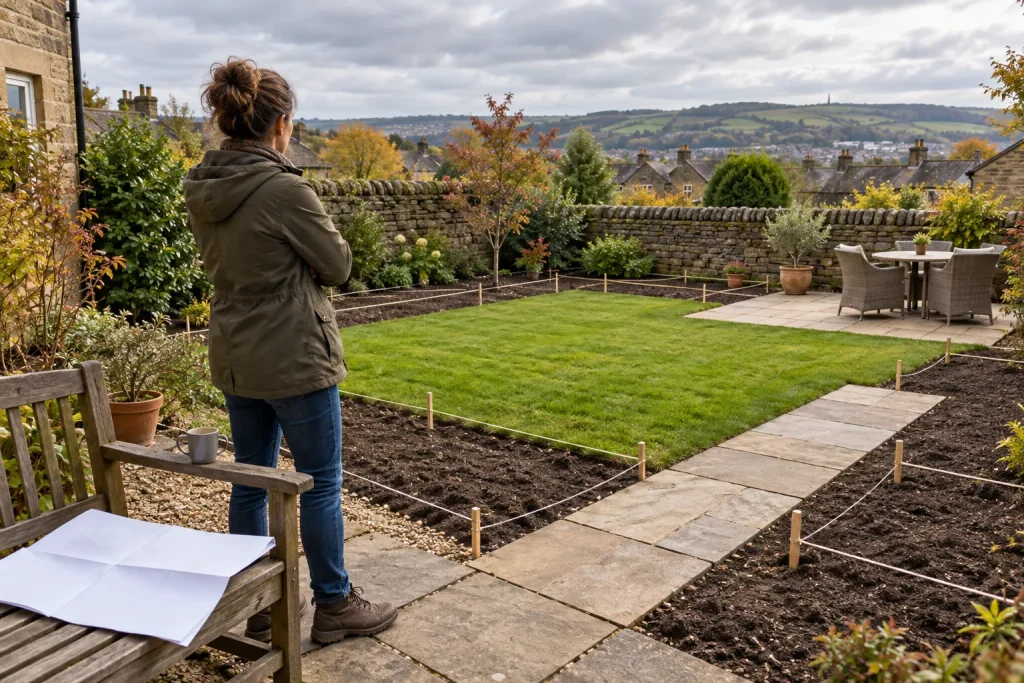
Planning a garden landscaping project starts with understanding your outdoor space. By assessing sunlight patterns, soil quality, and existing features, you can lay the foundation for your ideas. With specific goals, like creating a peaceful retreat or an entertaining area, you sketch sections that align with those goals. Budgeting is important as you break down costs for materials and plants while prioritising functionality in each area. As you choose hardscaping elements and plants that fit well with the environment, your creative thoughts come together into a design that transforms your garden into an inviting oasis.
Assessing Garden Site Conditions
Begin by examining the unique features of your garden. Notice how sunlight moves across different spots during the day to choose plants that thrive in their preferred conditions. Check the soil quality, dig a bit to feel its texture or use local tools to determine pH levels. Are there large trees or structures casting shade? Keep detailed notes, perhaps sketching areas for seating, planting beds, or pathways. Understanding your space now lays the groundwork for what’s practical in your design journey.
Environmental Factors
think about environmental elements: does wind blow through certain corners? Does rainwater gather after storms? These observations can inform plant choices and where to place furniture and materials. If one side of the garden faces strong winds, adding taller hedges could serve as a natural barrier while allowing more delicate plants to thrive elsewhere.
Existing Features
consider any existing features you’d like to keep or improve, like an established patio, or aspects like slopes that might inspire creative solutions like terracing. Write down ideas freely; let them come naturally! By thoroughly assessing these site conditions now, you’re preparing for success later when it comes time to budget and prioritise parts of your landscaping project.
Setting Priorities and Budget
As you set your priorities and budget for your garden, define what you want this space to accomplish. List the main purposes, like a comfy spot for relaxation, an area for hosting friends, or a vegetable patch. This list will guide future decisions. Consider how close these areas should be: if you plan to eat outdoors often, think about their distance from the kitchen for easy access.
Keeping these details in mind helps visualize your ideal garden and ensures that everything serves its intended function.
Budgeting
up is budgeting, a crucial step that can influence the entire project. Start with a total amount you’re comfortable spending; then break it down into categories like materials, plants, furniture, and any professional help needed. Be realistic about costs: investing in quality materials pays off over time while focusing on aesthetics can lead to sustainable options that won’t strain your wallet. Create rough designs along with estimated expenses so you’re ready when it’s time to turn ideas into action during later planning and execution stages. Your thoughtful preparation here sets a strong foundation for managing zoning and functionality effectively!
The Pros & Cons of Garden Landscaping Success
Pros
-
Boosts the visual appeal of outdoor areas.
-
Raises property value with thoughtful landscaping plans.
-
Offers practical spaces for activities like dining and gardening.
-
Aids local wildlife by using native plants and creating habitats.
-
Enhances environmental factors, such as air quality and soil health.
-
Designs a customised outdoor experience based on personal preferences.
Cons
-
Planning and executing a project requires a lot of time and money.
-
There’s a chance for design errors that might lead to expensive fixes.
-
Maintenance can be quite demanding, depending on the plants you choose and the features included.
-
Weather can affect how long projects take and their overall success.
-
You may face limitations based on current site conditions like soil type or drainage problems.
-
Changes in what your household needs could mean future redesigns or adjustments.
Zoning for Functionality and Structure
Understanding how to zone your garden effectively is important for creating a functional space. Start by dividing the area into sections based on purpose, like a sunny spot for relaxing, an area for dining, or a vegetable patch. Consider how much natural light each part receives during the day. A shaded corner may be ideal for reading under tree cover, while bright areas can support tomatoes.
Pay attention to existing features; they influence design choices. If there’s a solid patio, build around it instead of starting from scratch. This saves time and effort while enhancing successful landscape elements.
Evaluate Environmental Factors
assess environmental factors: are there strong winds in certain areas? Does rainwater collect after storms? These insights inform placement decisions for plants, furniture, and hardscaping like paths or retaining walls. If wind frequently impacts one side of the yard, consider using taller hedges as barriers without sacrificing style elsewhere.
Let Creativity Flow
let your creativity shine! Drawing different layout ideas can clarify and excite; note thoughts about possible structures like arbors or decorative fences that define spaces both practically and beautifully. As you finalize zoning plans tailored for function and structure within your outdoor space, remember this is an essential step before choosing materials!
Choosing Hard Landscaping Materials
As you explore hard landscaping materials, your choices impact appearance and functionality. Consider how paths will lead visitors through your garden; gravel or stone can be appealing options, but ensure they match your home’s style. Stick to a few materials for consistency; using three types can create an interesting yet cohesive look. Consider texture and colour: smooth stones with rustic bricks add depth while maintaining unity.
Practical Needs
think about practical needs along with visual appeal. If you’re planning a vegetable patch, Breedon gravel is flat and easy for wheelbarrows, a great choice! For patios, opt for non-slip surfaces like textured concrete or natural stone slabs that allow barefoot walks without slipping. Shapes matter too: winding pathways bring a playful feel while straight lines offer formality, choose what fits your vision.
Focal Points
Don’t overlook focal points when selecting hardscaping elements! An archway dressed in climbing roses can serve as both an entrance and an attractive feature against greenery. You might also include water features, a small pond or bubbling fountain enhances calmness and attracts wildlife when placed near seating areas.
Overall Design Ethos
every decision builds on the last; ensure the material you choose aligns with its intended use and the overall design ethos of your space. This groundwork prepares you for choosing plants next, where you’ll bring life to those carefully planned structures!
Essential Steps for Garden Design Success
| Feature/Aspect | Details |
|---|---|
| Soil Type | Affects plant growth; the RHS provides guidance on soil identification. |
| Soil pH | Test to determine if soil is acid, neutral, or alkaline; rhododendrons and blueberries need acid soil. |
| Garden Orientation | North-facing gardens receive the least sun; south-facing gardens get the most sun throughout the day. |
| Planting Zones | Divide garden into areas for different uses considering sunlight, shade, and microclimates. |
| Hard Landscaping Materials | Limit to a maximum of three types such as gravel, stone, and brick to avoid clutter. |
| Focal Points | Use existing features like trees or create new ones with arches, water features, or sculptures. |
| Wildlife Consideration | Incorporate plants that attract wildlife; avoid artificial products and pesticides. |
| Budget Planning | Assign amounts to gardening equipment, materials, plants, and water features within total budget. |
| Work Sequence | Start with landscaping and finish with planting to avoid constraints from climbing plants. |
| Ongoing Needs | Garden plans should be adaptable to changing household needs and conditions over time. |
Planning Planting and Plant Selection
When choosing the right plants for your garden, understand the specific conditions of your outdoor space. Look at how light affects different areas; sunlight is vital for plant health and growth. Do you have a sunny spot for colourful flowers? Or a shaded area for ferns? Write down these observations and sketch possible planting zones for your design plan.
Soil Composition and Moisture Levels
examine the soil type and moisture levels in various parts of your garden. Touch it: is it sandy or clay? Check pH levels to ensure they match the plants you want to grow. Consider local climate conditions to select hardy varieties that will thrive. If certain areas collect water after rainstorms, consider adding plants like astilbes that enjoy wet soil while enhancing beauty. By matching plant choices with environmental factors, and letting creativity guide you, you’ll build an attractive landscape designed for both aesthetics and ecological balance.
Incorporating Water Features Sustainably
Water features enhance garden design by adding beauty and calm while serving important ecological roles. Consider the size of your water feature; a small pond or fountain creates relaxing sounds without dominating the area. When deciding on placement, think about visibility: positioning it near seating areas boosts relaxation and attracts wildlife like birds and beneficial insects. An oval-shaped pool with brick edging is easy to maintain and visually appealing, keeping it shallow at around 200mm ensures safety.
When selecting materials, prioritise sustainability. Rain gardens that collect runoff manage excess water effectively while benefiting local plants and animals that thrive in wetter environments. In drought-prone regions or areas with limited rainfall, consider using recycled materials like old ceramic pots turned into planters around a dry creek bed; this adds texture and interest even with less moisture available.
Maintenance Matters
remember maintenance! A grill placed over deeper parts ensures safety for children and pets without sacrificing visual appeal. By incorporating these elements into your landscape design, not just as decorative features but as part of a broader sustainable approach, you’ll create an inviting outdoor space that considers nature’s needs.
Garden Planning Myths and Fun Facts Unveiled
-
Homeowners should plan gardens to meet specific needs and limitations.
-
A garden's orientation affects its sun and shade exposure, influencing plant selection and furniture placement.
-
Soil type and pH are vital for gardening success, as certain plants require specific conditions.
-
Bigger gardens do not always provide more planting options; thoughtful organization can enhance usability and appearance in smaller areas.
-
Gardens should remain flexible since household needs and environmental factors change over time, allowing for ongoing experimentation with the layout.
Scheduling and Preparing the Work
Taking time to create a detailed schedule can make your garden landscaping project run smoother. Start by outlining a timeline that matches your goals and resources. Keep seasonal changes in mind, as some tasks are better suited for specific times of the year, planting in spring or fall often yields the best results. Break each phase into smaller steps; for example, begin with hardscaping before moving on to planting and finishing touches like placing furniture. Plan this sequence carefully so that each task supports the next.
Preparation
Preparation is crucial for successful execution. Gather all necessary tools ahead of time, trowels, shovels, wheelbarrows, and ensure they’re ready when needed. Also, take stock of materials required according to your design plans; having these items organised will save valuable time later. Consider external factors like weather conditions: monitor forecasts to choose days where rain won’t hinder progress or extreme heat won’t interfere with outdoor work sessions. A well-prepared approach boosts efficiency and builds confidence as you transform your outdoor space!
Ensuring Safety During Landscaping
Safety is essential for any landscaping project, especially DIY tasks. Start by evaluating your workspace: remove clutter and ensure your tools are in good condition to avoid accidents. Wear protective gear, gloves, sturdy shoes, and safety goggles, when digging or lifting heavy items. Stay aware of your surroundings; if using power tools or sharp equipment around children or pets, establish boundaries to keep everyone safe while you work.
Environmental Factors
consider environmental factors that could affect safety during your landscaping work. If working on uneven ground or slopes, use proper ladders for high planting areas and ensure walkways are stable to prevent slips and falls. For water features or ponds, ensure they have secure edges and shallow depths so children can play safely. By prioritising these safety measures throughout every stage of construction, from planning to implementation, you’ll create an enjoyable experience while transforming your outdoor space.
Post-project Cleanup and Maintenance
After landscaping your garden, focus on cleanup and maintenance. This step is essential for keeping your garden healthy. Start by removing debris, discard broken pots, excess soil, and unwanted materials. Cleaning up improves appearance and prevents hazards.
Before storing tools, rinse them off; this extends their lifespan and prepares them for future projects. Check the planted areas for gaps or unhealthy plants. If you notice issues, provide extra care or consider replanting.
Watering is crucial during the first few weeks after planting; ensure new plants receive enough moisture without drowning. Finding the right balance is key. Mulching around flower beds helps retain moisture and control weeds, opt for organic options like wood chips or straw.
Don’t overlook ongoing maintenance tasks: regular weeding controls invasive species, while deadheading flowers encourages more blooms throughout the season.
Monitor changes in plant health or growth; this provides insights for future projects to understand what thrives in your environment. By maintaining routine upkeep alongside thoughtful design choices, you’ll create a thriving outdoor space that continues to grow beautifully over time.
Transforming Your Outdoor Space
Your garden is a space waiting for your personal touch. As you change this outdoor area, consider the vibe you want to create. Do you envision lively get-togethers or calm moments enjoying tea? Let your vision guide your decisions. Design areas that reflect these ideas, perhaps a cozy seating spot surrounded by fragrant flowers or a vegetable patch full of fresh produce.
Include natural elements in your design; they serve practical and aesthetic roles while boosting biodiversity. Consider how existing features like trees and pathways fit into this layout. Use local materials when possible: stones from nearby match well and lessen environmental impact. Remember sustainability, choose plants that thrive in your climate zone and include native species to resist pests and diseases. Thoughtful choices will nurture beauty and balance in your landscaping efforts!
FAQ
What are the essential steps to take before starting a garden landscaping project?
Evaluate the site for orientation, sunlight exposure, shade areas, wind patterns, soil type, and water availability to effectively shape your garden landscaping design.
How do I assess my garden's site conditions, such as sunlight and soil type?
Evaluate a garden site’s conditions by observing sunlight patterns, shaded areas, and testing soil type and pH levels for plant suitability.
What should I include in my wishlist for my garden's design based on household needs?
Consider key features for your garden design wishlist, like seating areas, dining spaces, play zones for kids, storage options, and sections for growing plants or vegetables.
How can I ensure that my garden remains adaptable to future changes and wildlife?
Use native plants, avoid artificial materials, and create adaptable spaces to keep your garden flexible for future changes and wildlife.