
What Affects Garden Landscaping Costs?
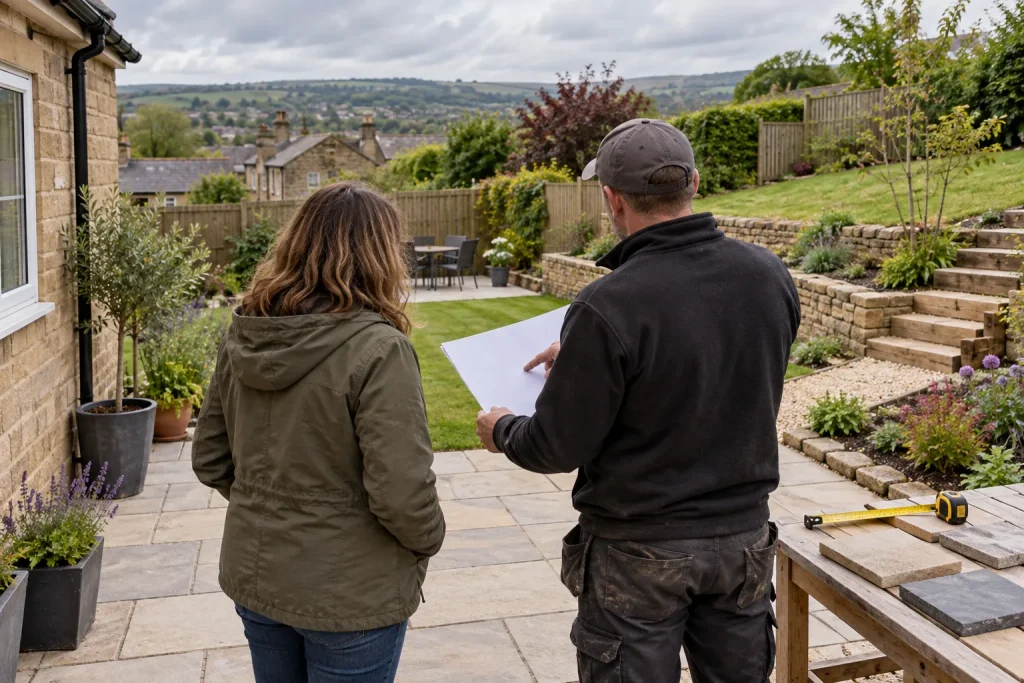
A landscaping quote depends on garden size and condition, project scope, access, materials and any ground preparation. Ask for a written, itemised estimate based on the site rather than relying on general online figures.
Understanding Garden Size and Scope
Determining the size and scope of a landscaping project is important because it affects costs. A larger garden usually incurs higher expenses due to additional labor and materials. Turf costs depend on the area, ground preparation and access. Larger lawns or complex layouts need a quote that accounts for the full scope.
Unique Design Elements
Curved paths, detailed layouts and overgrowth can add preparation work. Ask the provider to include this work in the proposal and specify any clearance required.
Planning Ahead
In the end, careful planning at this stage sets up an efficient project that matches both vision and budget constraints.
Labour Rates and Regional Variations
Labour and travel arrangements vary between providers and locations. Give each the same site details and ask how preparation, access, materials and waste removal are reflected in the estimate.
Project totals vary substantially with scope, materials and site conditions. Separate the proposal into labour, materials, preparation and finishing so changes are visible.
The Pros & Cons of Landscaping Budgeting
Pros
-
Landscaping budgeting helps homeowners plan their finances clearly, which can prevent unexpected costs.
-
Itemized quotes show the breakdown of labor, materials, and extra fees, making it easier to compare different contractors.
-
Setting aside a contingency fund of 10 to 15% prepares homeowners for any surprise expenses during the project.
-
Knowing how costs vary by region helps in choosing service providers that match local market rates.
Cons
-
Using high-quality materials can really drive up project costs, sometimes even doubling the original budget.
-
Narrow access can affect how materials and equipment reach the garden and may add preparation time. Mention access limits when requesting a quote.
-
Labor rates differ from one region to another, which can lead to varying prices for similar services and complicate budgeting efforts.
-
Changes in demand during different seasons might cause prices to rise during busy times, affecting the overall budget if not accounted for properly.
Assessing Existing Garden Conditions
Overgrowth or uneven ground can require additional preparation. Ask what equipment, labour and clearance are included in the estimate.
Soil Quality
Heavy or compacted soil, slopes and drainage concerns may require extra groundwork. Ask which preparations are needed and have them listed in the quote.
Pre-existing Issues
Homeowners should remember that addressing existing issues not only prepares the site but also clarifies their goals for outdoor spaces, avoiding unexpected financial surprises later on.
Groundworks, Slopes, and Drainage Needs
Excavation, levelling, terracing and retaining walls can change the scope considerably. Confirm the proposed groundworks, materials and drainage work before comparing estimates.
Drainage Needs
Drainage requirements are another key factor that can significantly affect landscaping budgets. Neglecting poor drainage issues may lead to expensive repairs later; it’s important to install proper systems early to avoid waterlogging problems. Solutions like permeable paving allow rainwater to soak into the ground instead of pooling on surfaces, saving money and reducing maintenance hassles in the long term. Clients should discuss existing site challenges with their landscaper to ensure accurate estimates reflect true preparation needs without unexpected surprises when work starts.
Key Factors Influencing Landscaping Expenses
| Quote factor | Details to include |
|---|---|
| Garden and project scope | Dimensions, requested features and finishing work |
| Site preparation | Clearance, soil, levels, drainage and groundworks |
| Materials | Product type, quantity, delivery and installation |
| Access and waste | Equipment access, collection and disposal arrangements |
Choosing Materials and Features Wisely
Material choices affect the overall proposal. Ask for product types, quantities, preparation and installation details, and compare alternatives on the same basis. If decking is part of the design, compare the boards and supporting structure together rather than budgeting for the surface alone.
Garden Features
Water features, lighting and pergolas add separate design, supply and installation work. Include each item in the written scope and confirm maintenance needs and any electrical or drainage requirements.
Waste Management, VAT, and Contingencies
Garden waste and debris removal can be a separate part of landscaping. Confirm whether collection, skips or licensed disposal are included, and who arranges them.
Homeowners should confirm with their landscaper whether quotes include waste removal or if additional fees apply; knowing this upfront helps avoid unexpected expenses. Check whether the quote includes VAT and ask which preparation, materials and waste removal costs are included.
Contingency Fund
To protect against unexpected issues during groundwork or other project phases, setting aside a contingency fund of about 10% to 15% is wise; this provides flexibility and peace of mind if circumstances change once work begins.
Uncovering Hidden Influences on Landscaping Expenses
-
Homeowners often think a bigger garden always costs more to landscape, but the connection between size and cost depends on the work needed and garden layout. A simple design may not double costs due to size, while features like curves or retaining walls can increase expenses.
-
Many believe landscaping costs are only influenced by materials and labor; yet, ground conditions significantly affect pricing. Clay soil or uneven land can lead to higher costs due to extra excavation and drainage needs.
-
Some assume all landscaping projects take similar time to finish, but project lengths vary based on scope, garden size, and weather. Smaller projects may take one to two weeks, while larger or more complex builds could take six to eight weeks.
-
There’s a belief that hiring a professional designer is unnecessary; yet, many landscapers include basic design consultations in their estimates. Homeowners should verify if this service is included in their proposal to avoid unexpected charges.
-
Limited entry can affect how materials and equipment reach the site. Describe access conditions when requesting a quote and ask how they affect the work plan.
Seasonal Timing and Project Duration
Timing is important for landscaping projects, as seasonal factors and project duration can greatly affect costs. Spring and summer are busy times for landscaping, leading to higher labor rates due to competition among contractors. Homeowners might find that waiting until the quieter winter months could offer better pricing options.
The time to finish a project varies based on complexity. Smaller jobs may take one or two weeks, while larger designs can extend to six weeks or longer. Installing a medium-sized patio usually requires three to five days; yet, this timeline can increase if weather conditions cause delays.
Homeowners should consider their desired completion date and the best time for planting. Knowing local climate patterns helps ensure chosen plants thrive after installation, ultimately increasing the value of outdoor investments. By balancing these factors, clients can manage budgets wisely while achieving results that reflect their vision.
Timing Considerations
Spring and summer are peak seasons with high demand for landscaping services.
Cost increases during these months due to competitive contractor rates.
Winter may provide opportunities for more favorable pricing.
Project Duration
Project timelines differ based on complexity:
– Small jobs: 1-2 weeks
– Medium-sized patios: 3-5 days
– Large/intricate designs: 6 weeks or longer
Weather conditions may impact progress on projects significantly.
Planting Seasons
Consider both your preferred completion date and optimal planting times.
Understanding local climates ensures plant survival post-installation.
This knowledge enhances overall value from outdoor investments.
Making Informed Landscaping Decisions
Making informed landscaping decisions requires examining factors that impact costs. Homeowners must consider their garden’s specific needs and conditions before starting any project. Understanding how features like uneven ground or overgrown bushes affect preparation time and material needs aids in budget planning. A thorough approach involves considering not only initial layout ideas but also long-term maintenance related to materials and design choices.
Establishing Clear Priorities
Setting clear priorities is key for managing expenses while achieving desired results. Homeowners might start with basic elements like patios or pathways that provide immediate use, then gradually add decorative features like water installations or lighting based on available funds. By creating a phased plan, clients can spend money wisely while remaining adaptable to changing tastes or unexpected issues during implementation. This organised method clarifies potential financial commitments throughout each phase of the landscaping process, ultimately leading to an outdoor space that showcases personal style without sacrificing quality or sustainability.
FAQ
What factors influence the overall cost of landscaping a garden?
The total cost of landscaping a garden depends on the project’s scope, garden size and condition, access restrictions, ground conditions, material choices, and location-based pricing.
How do access constraints affect landscaping project pricing?
Access constraints can affect preparation and material handling. Describe narrow paths, steps or other limits when asking for a site-specific estimate.
What are the average costs associated with different types of materials used in landscaping?
Material choices vary in finish, durability and maintenance. Ask providers to list the specific products, quantities and preparation included in each estimate.
How does garden size impact the total expenses for a landscaping project?
Garden size significantly affects landscaping costs, as larger areas typically require more materials and labor, potentially doubling project expenses.
What is the recommended budget range for a typical mid-range new-build garden?
There is no single typical budget for a new garden: the layout, site preparation, materials and access determine the scope. Request a quote against a clear plan.