
Small Garden Design Without a Lawn
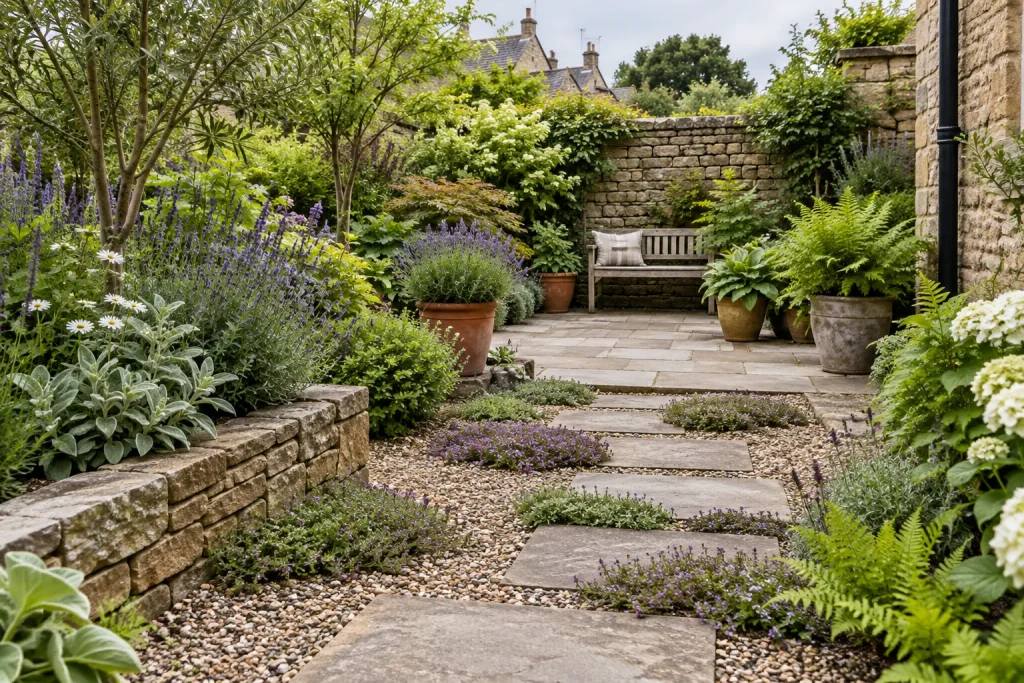
A small garden can thrive without a traditional lawn through smart design. By adding vertical gardens, container plants, and native ground covers, city residents can maximise their area while supporting local wildlife. Pathways made from natural materials and thoughtfully placed seating areas create welcoming spots to enjoy nature, reducing tasks like mowing. This approach enhances the space and creates an engaging environment where every part tells its own story, showing that even small areas can be full of life and personality.
Planning a Small Lawn-free Garden
In redesigning a small garden without a lawn, it’s important to explore options for hard surfaces and colourful plants. Removing grass allows for flexible designs that emphasize functionality and visual appeal. Picture a patio filled with potted plants; its smooth surface becomes an inviting spot for morning coffee or evening gatherings. Instead of large lawns, raised beds with vibrant flowers can create defined areas while adding depth and interest.
By choosing plants based on their light needs, like sunny lavenders in bright spots or lush ferns in shady areas, a designer can promote beauty and ecological balance in these urban oases. Adding paths made from natural stone or reclaimed wood connects different parts of the space, guiding visitors through this green retreat while reducing upkeep tasks like mowing or frequent watering, all crucial considerations when working with limited outdoor spaces.
Groundcover Alternatives to Grass
Groundcover plants provide greenery without the maintenance of traditional grass. Plants like creeping thyme and white clover spread across the ground, forming a soft carpet that requires little watering and care. These options add visual interest and support local ecosystems by providing homes for beneficial insects and pollinators.
For added variety in your landscape, consider using moss in shady spots, its texture thrives on moisture from rain and dew, offering practicality and a unique look. Placing stepping stones among groundcovers improves pathways while protecting these softer surfaces; this design choice facilitates movement around different areas of your garden.
Innovative Materials
As we explore innovative materials that work well with vibrant plantings, it becomes clear how each element creates beautiful spaces without typical lawns yet full of life and character.
The Pros & Cons of Grass-Free Garden Spaces
Pros
-
Cuts down on mowing, saving you time and effort in maintenance.
-
Makes better use of limited space, allowing for features like patios and raised beds.
-
Groundcover plants boost biodiversity and need less water than traditional lawns.
-
Offers a chance to design visually appealing landscapes using different materials and plantings.
Cons
-
A completely paved or decked area can seem harsh or dull without enough greenery.
-
Some groundcover options might not be as tough as grass, which could result in bare spots.
-
The upfront costs for paving or decking materials may be higher than the expenses of maintaining a lawn.
-
If drainage solutions are inadequate with paving, it can cause flooding problems if not handled correctly.
Gravel, Shingle, and Mulch Surfaces
The transformation of a small garden into a lively oasis without grass relies on using gravel, shingle, and mulch surfaces. Gravel is ideal for paths or patios, offering visual appeal and drainage. The sound of crunching gravel encourages exploration while drought-tolerant plants add colour; picture clusters of ornamental grasses swaying next to smooth stones that reflect nature’s colours. Placing geotextile membranes beneath these surfaces ensures stability and keeps weeds at bay.
Shingle adds a creative touch, its coastal vibe brings beach relaxation to your yard. This material pairs well with tough plants like sea kale or rosemary, providing aromatic culinary experiences. Meanwhile, wood chippings serve as an eco-friendly option that enriches soil while blocking unwanted growth. Using layers of different materials creates depth in smaller areas and balances hardscaping with vibrant plant life, a key design approach for enhancing beauty without increasing maintenance in urban gardens lacking large lawns.
Patio and Paving Design Ideas
Creating a captivating patio can transform a small garden into an outdoor retreat. Imagine stepping onto large, smooth paving slabs that invite you to stay, each slab is part of your living area. These materials should match the home’s exterior and withstand seasonal changes. A smart layout accommodates various uses: one corner could be a cozy dining spot with comfortable seating and potted herbs, while another focuses on sunbathing or enjoying nature.
Visual Diversity
Mixing textures is important; using natural stone pathways alongside wooden decking adds warmth and character. Winding paths through the garden encourage exploration, guiding guests from one space to another effortlessly. Combining these surfaces connects areas without overwhelming anyone, imagine bright flowers spilling over raised beds beside gently curving walkways leading to inviting nooks or water features.
Integrating Greenery
Adding greenery in paved spaces enhances visual appeal. Flowering plants in well-chosen containers become focal points against hardscaping elements, a striking contrast against solid surfaces that can seem too harsh. Leaving open spots for spontaneous plantings turns bare patches into vibrant escapes full of life. It’s about creating spaces where every inch has its own story while requiring less maintenance than traditional lawns.
Creative Alternatives for Lawn-Free Gardens
| Feature | Description |
|---|---|
| Groundcover Options | White clover, creeping jenny, thyme, oregano, and native plants suitable for local conditions. |
| Benefits of Groundcover | Requires less maintenance than grass, saves water, improves soil, and supports insects and pollinators. |
| Alternative Surface Types | Gravel, shingle, wood chippings, and mulch serve as low-maintenance surfaces for paths and patios. |
| Planting Recommendations | Hardy shrubs, evergreens, and plants with complementary textures and colours for year-round interest. |
| Pathway Materials | Natural stone paving, wooden planks, stepping stones, or gaps filled with groundcover or pebbles. |
| Raised Bed Construction | Can be purchased ready-made or built from recycled materials, ideal for vegetables and flowers. |
| Water Features | Ponds can attract wildlife and should have barriers for safety in gardens with children present. |
| Vertical Planting | Self-clinging climbers like ivy and Virginia creeper can enhance limited ground area. |
Garden Decking and Mixed Materials
Decking adds function and beauty to a small garden, replacing grass while increasing usability. Picture stepping onto a warm wooden platform that invites you into your outdoor living area, where comfortable seating encourages relaxation in the sun. Mixing decking with materials like gravel creates appealing contrasts, smooth wood alongside textured stones that lead guests through this lively retreat.
Integrating Planter Boxes
You can easily include raised planter boxes in deck designs; these bring in greenery and raise planting areas for easier gardening without sacrificing style.
Choosing Durable Materials
By opting for durable options like composite decking or treated timber, which require little upkeep, a designer ensures longevity and simplicity throughout changing seasons. Adding pots filled with fragrant herbs or colourful flowers around these features enhances the atmosphere and supports biodiversity by attracting pollinators and beneficial insects within this balanced mix of hardscape and plant life.
Winding Paths and Raised Beds
Paths weave through the centre of a garden without grass, creating structure and guiding exploration in smaller spaces. They can be simple or complex, curving around raised beds filled with colourful flowers or leading to quiet seating areas that invite relaxation. Natural stone pavers, reclaimed wood planks, or gravel paths outline these routes and add texture. Flowering groundcovers between stepping stones enhance visual appeal and provide habitat and food for pollinators throughout different seasons.
Raised Beds
Raised beds play a crucial role in this lawn-free landscape, enhancing both looks and usefulness. These structures allow for diverse planting options: bright vegetables grow alongside perennial flowers while reducing soil compaction, a common issue in small gardens with heavy foot traffic. Using recycled composites or untreated timber lets gardeners create unique designs suited to their tastes without compromising sustainability. Arranging plants based on light availability ensures year-round interest; picture vibrant marigolds soaking up the sun next to shade-loving hostas beneath leafy trees. Embracing these ideas shows that a no-lawn design offers not just beauty, it creates an engaging environment full of life and potential.
Unveiling Secrets of Lawn-Free Garden Design
-
The Royal Horticultural Society (RHS) advises that many small gardens can benefit from removing grass, opening up space for more flexible uses and reducing maintenance tasks like mowing.
-
Groundcover plants like white clover, creeping jenny, thyme, and oregano provide a green carpet without traditional lawns, needing less care and water than regular grass.
-
Gravel is suggested for paths and patios because it drains well and looks good. It can be combined with drought-tolerant plants to enhance visual interest and serve as functional ground cover.
-
The RHS points out that large pots in garden design reduce watering frequency since they hold moisture better than smaller containers, supporting low-maintenance gardening practices.
-
Adding features like paths, raised beds, and water elements gives structure and visual variety to a lawn-free garden, improving aesthetics and creating habitats for wildlife.
Water Features and Wildlife Gardens
Incorporating water features into a small garden enhances its beauty and creates a lively environment. A pond surrounded by vibrant plants reflects the sky and attracts wildlife. Planting native species and ornamental grasses encourages frogs, dragonflies, and birds to settle in, maintaining nature’s balance. The soothing sound of flowing water from a fountain or waterfall adds peace; even simple designs with river rocks create eye-catching focal points that invite relaxation. These elements transform ordinary spots into peaceful retreats for unwinding and connecting with nature.
Vertical Gardens
Vertical gardens offer creative ways to use limited space while adding greenery without taking up ground area. Using walls or fences for climbing plants like wisteria or clematis creates layers of diversity and visual appeal that traditional layouts might miss. This upward planting method allows gardeners to experiment with different textures and colours, picture trailing vines alongside well-placed planters filled with seasonal flowers! With thoughtful additions of both water features and vertical landscapes, even the smallest urban plots become active ecosystems full of potential, a clear example of innovative design choices in grass-free gardening.
Vertical and Japanese-inspired Gardens
Vertical gardens and Japanese-inspired designs transform small, lawn-free spaces into green retreats. By using walls, fences, or trellises to support climbing plants like jasmine or honeysuckle, these gardens grow upward in height and interest. This vertical setup maximises limited ground space while creating a beautiful mix of colours and textures that change with each season. An ivy-covered fence can surround a peaceful seating area filled with fragrant herbs, each layer enhances the sensory experience and encourages biodiversity within this urban escape.
Japanese Garden Elements
Adding features common in Japanese gardens boosts feelings of calmness and simplicity, a philosophy based on appreciating nature’s beauty. Gravel paths meander through groups of ornamental grasses and neatly trimmed shrubs, leading to highlights like stone lanterns or small water features perfect for meditation. The arrangement of rocks next to moss patches creates balance between natural shapes; it embraces minimalism yet invites exploration at every turn. These design choices foster visually appealing environments that are easy to maintain, ideal for those who want to enjoy their outdoor areas without being overwhelmed by upkeep tasks.
Embracing Grass-free Beauty
The appeal of a garden without grass extends beyond its design. It offers opportunities to create lively and useful spaces. Every element can be selected to add beauty and practicality, ensuring that each area has a purpose. Imagine an inviting outdoor space where colourful raised beds filled with fruits and flowers are the main attraction, their vibrant colours contrasting with stone paths. Without traditional lawns needing constant upkeep, homeowners can focus on growing plants suited to their surroundings, like tough succulents thriving in bright sunlight or shade-loving hostas flourishing under larger trees.
Hardscapes
Adding hardscapes like permeable paving allows rainwater to soak into the ground while providing solid surfaces for everyday use. Here, seating areas come alive with comfy cushions among flowering pots; each spot invites relaxation or gatherings with friends. It’s essential to choose plants that work well together, not only do they look good, but they also support local wildlife by creating healthy ecosystems.
Sustainable Lifestyle
This approach fosters a more sustainable lifestyle: instead of spending time mowing or maintaining watering schedules typical of grassy areas, gardeners nurture life around them, pollinators thrive among native wildflowers scattered throughout carefully planned plots that promote biodiversity. This creates a new understanding of beauty in small gardens without conventional lawns; these spaces pulse with character and energy while reflecting nature’s rhythms, a testament to how smart creativity can transform small yards into beautiful retreats rich in ecological value.
FAQ
What are the benefits of designing a small garden without a lawn?
Designing a small garden without grass reduces upkeep, conserves water, and allows for diverse plantings that enhance biodiversity and create functional outdoor spaces.
How can groundcover plants contribute to a grass-free garden's aesthetics and maintenance?
Groundcover plants enhance a grass-free garden with low maintenance, promote soil health, support wildlife, and attract pollinators, making them ideal for eco-friendly urban gardening.
What materials can be used for paths and patios in a small garden design?
For a small garden, suitable materials for paths and patios include paving blocks, concrete, granite, gravel, shingle, and wood chippings, offering durability and visual appeal.
How does incorporating raised beds enhance the functionality of limited outdoor spaces?
Raised beds enhance outdoor spaces by providing designated areas for growing plants, maximising planting space, and simplifying garden maintenance.
What principles should be followed to ensure low-maintenance gardening in a small, grass-free area?
Select plants suited to your soil and conditions, choose sturdy evergreens, and use mulch to reduce weeds and retain moisture for a low-maintenance garden.