
How to Improve a Mossy Lawn
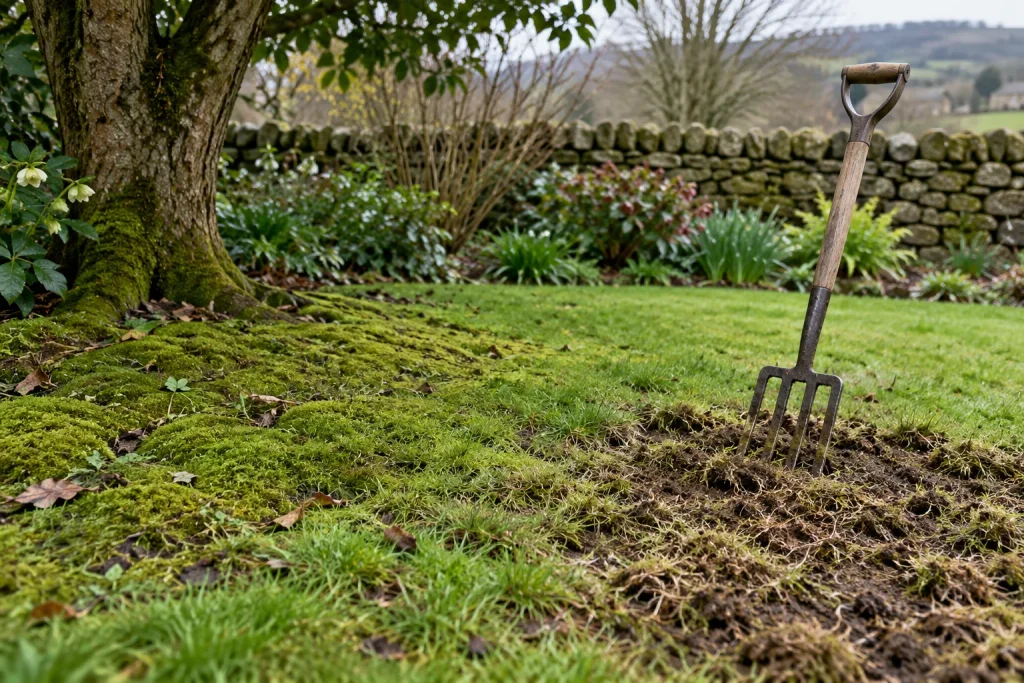
Turning a mossy lawn into a vibrant green space starts with identifying what causes the moss to thrive, like poor drainage and compacted soil. Homeowners can aerate their lawns to reduce compaction, make landscaping changes for better drainage, and trim back branches that block sunlight from reaching the grass. Using eco-friendly fertilisers and adding organic materials like compost helps create healthier turf that can compete with moss. Regular maintenance and monitoring moisture levels will boost lawn health, creating a welcoming area for lush grass while reducing unwanted moss.
Understanding Lawn Conditions and Moss
Moss thrives where grass struggles, so it’s essential to understand the challenges your lawn faces. Check moisture levels and shade; areas under trees or near fences often have moss due to reduced sunlight. If you find wet spots or compacted soil, consider drainage solutions like a French drain or swales to divert water. Note how foot traffic impacts your lawn, frequent paths can lead to compaction that hinders grass growth.
Improving Your Lawn
These initial steps will help create healthier turf and reduce moss over time. After addressing the environmental issues that favor moss, consider enhancing your soil quality. Adding organic matter like compost can increase nutrient levels and improve root aeration. This balanced approach promotes strong grass growth, helping it compete with remaining moss patches. An informed gardener identifies not just problems but also opportunities for cultivating a vibrant landscape!
Deciding to Keep or Remove Moss
When deciding whether to keep or remove moss from your lawn, consider the advantages and disadvantages based on your outdoor area usage. Moss can enhance damp or shady spots where grass struggles to grow, think of it as nature’s carpet. If you appreciate its vibrant green look and low maintenance, allowing it to grow could save time and effort while providing habitat for local wildlife like beetles and birds.
If you want a neat lawn suitable for play or aesthetics, removing the moss might be necessary, as it can create an uneven surface that feels spongy underfoot. Your choice depends on your preference: will this moss-filled space improve your garden experience, or does fine grass fit better with your vision? Understanding these factors will help you make a decision that supports both the ecological health of your lawn and your enjoyment of it.
The Pros & Cons of Embracing Lawn Moss
Pros
-
Moss acts as a soft, green ground cover that grows low to the ground. It's easy to care for and doesn't need mowing.
-
It does well in wet or shady areas where grass often has trouble growing, making it perfect for tough spots.
-
A lawn filled with moss can help local wildlife by offering homes for different creatures and providing nesting materials for birds.
-
Accepting moss instead of traditional grass lawns can save you time, money, and resources on upkeep.
-
Moss typically requires less water than grass, which might lower your irrigation costs in some regions.
-
The Royal Horticultural Society (RHS) suggests seeing value in moss rather than treating it like a weed.
-
Benefits of Using Moss
-
Moss provides an attractive alternative to conventional lawns while supporting biodiversity.
-
Maintenance Tips
-
Keep the area around the moss clear of heavy foot traffic and allow natural moisture levels to sustain its growth.
-
Environmental Impact
-
Using moss helps reduce water usage compared to regular grass lawns, contributing positively towards conservation efforts.
Cons
-
Moss can change how a lawn looks by altering its colour and forming a soft, spongy surface when it's loose.
-
In lawns primarily made up of grass, moss fills in the spaces left by weak grass, leading to thinner turf and bare spots over time.
-
If you remove moss without fixing the issues that allow it to thrive, it will likely come back quickly.
-
Compacted soil and poor drainage associated with moss growth can negatively impact overall lawn health and hinder grass recovery.
-
Some gardeners who want fine turf might find moss unattractive for aesthetic reasons.
-
Chemical treatments for moss usually offer only short-term relief unless you improve the underlying conditions of your lawn.
Effective Moss Removal by Scarifying
Scarifying your lawn effectively addresses moss and improves grass health. Using a spring-tine rake or mechanical scarifier loosens moss from the soil surface. This process removes unwanted moss and manages surface thatch, an accumulation of organic material, that promotes moss growth if left untreated. Timing is key; scarify in early spring or autumn when grass grows actively, allowing for quick recovery.
Improving Root Conditions
While scarifying focuses on above ground, enhancing root conditions below is equally important. As you clear away moss and debris, consider aeration techniques like spiking or using specialised tools. Creating openings in compacted soil allows air and nutrients to reach the root zone where they are needed. These efforts improve drainage and support healthier turf over time, making it less inviting for returning moss while boosting overall biodiversity in your garden!
Lawn Aeration and Spiking Techniques
Aeration can improve your lawn, especially if you have persistent moss. Using garden forks or specialised aerators creates small holes in the soil, reducing compaction and enhancing water flow and nutrient uptake, essential for healthy grass growth. Spiking pushes spikes deeper into the ground than regular aerating, encouraging roots to expand into those channels.
Timing
Timing is key, early spring or fall are perfect since that’s when grass grows actively and recovers quickly from disturbances. For larger areas, renting machines like the Westwood Lawngroomer can save time while delivering effective results. Follow up with regular treatments to maintain these benefits long-term. Consistently addressing soil health through aeration will help maintain thick turf that outcompetes returning moss and fosters beneficial organisms that promote balance within your landscape ecosystem.
Transform Moss into a Lush Lawn
| Method/Condition | Description | Benefits | Additional Notes |
|---|---|---|---|
| Moss Growth Conditions | Dampness, poor drainage, compacted soil, shade, acidic soil, low nutrient levels, thin grass | Provides habitat for wildlife, including invertebrates and birds. | Moss can thrive in shaded areas, particularly under trees or fences. |
| Physical Removal | Scarifying, using a spring-tine rake, or mechanical scarifier to loosen moss from the lawn surface | Effective at removing moss and thatch, allowing grass to recover more effectively. | Large areas may require mechanical scarification; small patches can be removed by hand. |
| Aeration/Spiking | Inserting a garden fork into the soil to relieve compaction and improve water and nutrient access | Enhances drainage and promotes healthy root growth; prevents future compaction. | Regular spiking is suggested after initial treatment to maintain soil health. |
| Timing for Lawn Work | Spring and autumn are ideal for treatment when grass is actively growing | Optimal recovery time for grass post-treatment; avoids frost, drought, or extreme heat conditions. | Specific timing may depend on local climate conditions. |
| Chemical Control | Synthetic mosskillers often contain iron sulphate; effectiveness varies | Can temporarily reduce moss presence but does not address underlying issues. | Dead moss must be raked out after treatment; check product packaging for application guidelines. |
| Homemade Solutions | Dish soap solution (60ml mixed with 4.5 liters of water) as a temporary measure | May kill moss without harming grass if used cautiously. | RHS advises against household products due to potential harm to grass; results may vary. |
| Grass Recovery Strategies | Overseeding bare patches, improving soil structure, and proper mowing height | Strengthens grass density, leaving less room for moss to establish. | Mowing height specifics are not provided; maintaining appropriate height is crucial for grass health. |
| Reusing Removed Moss | Can be added to compost, placed in wildlife habitats, or used in flower arrangements | Provides ecological benefits and reduces waste. | Large quantities should be mixed with other materials to avoid slow decomposition. |
| Embracing Moss | Accepting moss where it suits the site and gardener’s preferences | Saves time, money, and resources while providing a soft ground cover that requires minimal maintenance. | The choice between managing moss or favoring grass depends on individual lawn goals and conditions. |
| Common Moss Species | Over 700 species of moss grow in the UK | Supports biodiversity within gardens; some species are at risk due to climate change and habitat loss. | Understanding local moss species can help inform management decisions. |
Chemical and Non-chemical Moss Treatments
When managing moss in your lawn, you have two options: accept its presence or remove it. If moss doesn’t fit your idea of a beautiful outdoor space, you can choose from chemical and non-chemical methods. Non-chemical approaches are often advantageous because they follow eco-friendly practices while effectively addressing the issue. Techniques like scarifying and raking eliminate visible moss and enhance air circulation around grass roots, promoting healthier turf growth.
If you consider chemical treatments, products with ferrous sulphate can quickly kill existing moss; yet, these solutions are temporary unless you address underlying issues like soil compaction or poor drainage.
Assessing Your Approach
Before starting any treatment plan, determine which method suits your needs based on how you want to use the lawn and how much time you’re willing to invest in ongoing maintenance. Synthetic moss killers work well when used according to product instructions but require careful monitoring during application to avoid harming nearby grasses. After applying these chemicals, patience is needed until dead patches turn black before removing them properly; remember to fill those areas with fresh seed once treated!
Whether you choose traditional methods or modern solutions depends on understanding their impact, not just on immediate appearance but also on the long-term health of your entire garden ecosystem.
Repairing Bare Patches in Your Lawn
Once you’ve dealt with the moss and decided to remove it, your next step is to fix the bare patches left behind. These gaps can look bad and make the surface uneven, but repairing them is straightforward. Start by lightly raking the soil where the moss grew; this prepares a good spot for new grass seeds. If you’ve recently applied chemical treatments, check product labels for waiting times before reseeding.
Ensuring proper conditions will help your grass thrive.
Enhancing Soil Quality
Improving soil quality is important during this process. Use high-quality grass seed that matches your local climate, this aids germination rates and strong root development. Mixing organic matter like compost into the top layer of soil before planting adds essential nutrients and improves water retention. This method supports healthy growth and makes plants more resistant to future moss issues.
Watering After Seeding
After seeding, regular watering is crucial until seedlings take hold, a consistent moisture level aids germination without creating soggy conditions that encourage more moss. Be patient while nurturing these new patches; with proper care, including occasional feeding suitable for young grasses, you’ll see them grow alongside established areas. Remember: fixing bare spots isn’t just about appearance, it’s also about building a strong ecosystem within your lawn that encourages biodiversity and reduces problems from pests like moss.
Mossy Lawn Myths and Fascinating Facts Unveiled
-
Many gardeners use moss as a low-maintenance ground cover in areas where grass struggles due to wetness or shade. Moss provides a soft, green appearance without needing mowing.
-
The Royal Horticultural Society (RHS) notes that moss indicates poor conditions for grass, like bad drainage, compacted soil, and lack of sunlight. Removing moss without addressing these issues will likely result in its return.
-
Moss does not aggressively compete with healthy grass but can fill gaps when the grass is weak. Over time, it may contribute to thinner patches and bare spots if the grass has existing problems.
-
While some recommend chemical mosskillers containing ferrous sulphate for heavy moss growth, the RHS states that non-chemical methods are often sufficient.
-
Removed moss can be used in various ways: composting, creating wildlife habitats, or as nesting material for birds. The RHS mentions that gradually adding moss to compost won’t significantly increase its chances of returning to gardens.
Preventing Moss From Returning
To prevent moss from returning, keep your lawn healthy. Check moisture levels regularly and ensure proper drainage; standing water encourages moss growth. Consider foot traffic, walking on the same paths compacts soil and hinders grass growth, so change routes or use stepping stones in busy areas.
Mow at a suitable height instead of cutting too short; this allows grass blades to thrive while blocking light from reaching potential moss. Regularly feed your lawn with organic fertilisers to strengthen grass and provide nutrients for future issues.
Plant a variety of ground covers like clover that compete well against moss. This enhances visual appeal and supports a healthier ecosystem. By following these steps, you create a vibrant landscape where healthy grasses dominate over unwanted moss!
Reusing Removed Moss Creatively
Moss removed from your lawn can be repurposed in several creative ways that benefit both you and the environment. Add it to a compost pile; mix it with other organic materials for better decomposition and to prevent moss spores from spreading in your garden. Another idea is to use raked moss as natural insulation. It works well in bug hotels or wildlife habitats where beetles and woodlice might take refuge. Birds often gather soft moss fibers for their nests, leaving some behind can help local wildlife.
Freshly collected moss also has artistic uses; consider using it for terrariums or layering it in hanging baskets, creating rich displays with minimal maintenance. Even if you prefer grass over patches of moss, designating areas for its growth can enhance biodiversity while reducing resource usage over time. By finding new ways to utilize what you’ve taken out instead of tossing it away, you support an eco-friendly mindset that goes beyond aesthetics!
Embracing a Vibrant Lawn Ecosystem
A healthy lawn ecosystem is more than a green space; it’s a balance where every part has its role. Moss can boost biodiversity and offer advantages in certain situations. Instead of viewing moss as a problem, consider how it can enhance your garden’s health by providing homes for beneficial creatures like beetles and insulating the soil during temperature changes. Allowing some moss to grow alongside grass can create a lush landscape while reducing maintenance since moss requires less care than turfgrass.
This method aligns with sustainable gardening: focusing on local plants that thrive naturally without excessive effort or chemicals builds resilience against climate challenges. By adopting this ecosystem approach, you’re not just managing weeds but celebrating the life forms that share your lawn. Understanding these dynamics positions you as someone who values both beauty and ecological health in your outdoor space, a fulfilling journey!
Conclusion
embracing natural elements like moss leads to healthier lawns and supports local ecosystems. With thoughtful management, you can enjoy an attractive yard while contributing positively to the environment around you.
FAQ
What are the benefits of keeping moss in my lawn instead of removing it?
Moss is a low-maintenance ground cover that thrives in damp or shady areas, supports wildlife habitats, and reduces mowing frequency.
How can I effectively remove moss from my lawn without harming the grass?
To remove moss from your lawn without harming grass, scarify to loosen it, aerate for better soil conditions, and address issues like compaction and drainage.
What underlying conditions should I address to prevent moss from returning?
To prevent moss from returning, address poor drainage, compacted soil, excessive shade, acidic soil, and low nutrient levels that favor moss over grass.
When is the best time to tackle moss removal and improve my lawn's health?
Remove moss and boost lawn health in spring or autumn when grass is actively growing.