
What Is Included in a Garden Maintenance Visit?
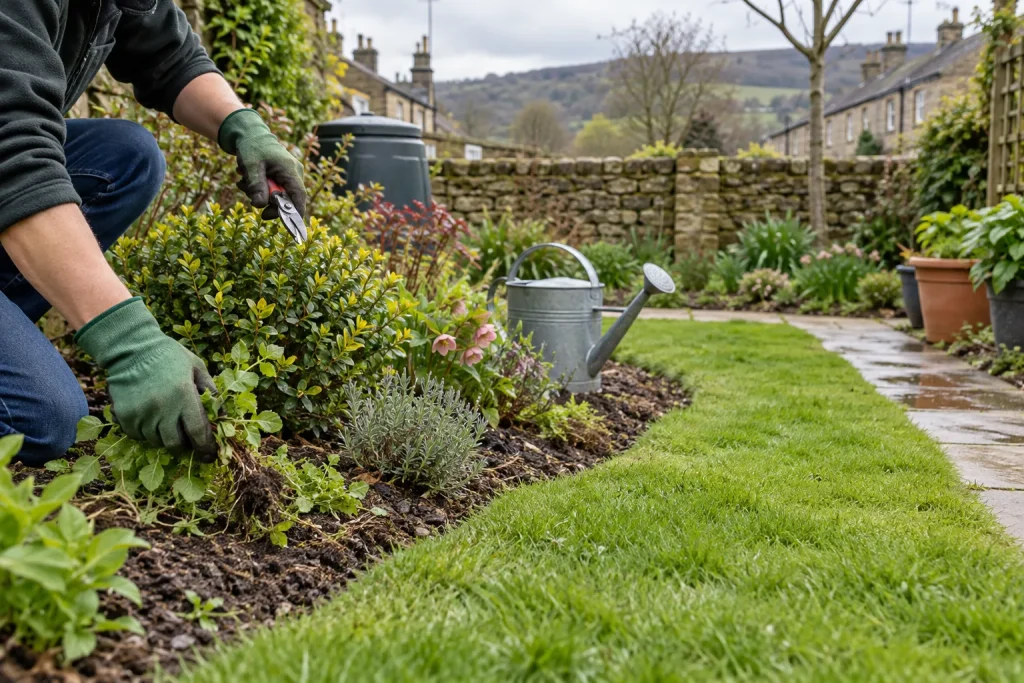
Taking care of your garden is key to keeping outdoor spaces lively. Regular activities like mowing, weeding, and pruning help plants grow and keep pests away. Checking plant health and using organic fertilisers improves soil quality while maintaining ecological balance. By following these practices year-round, homeowners can create flourishing gardens that enhance their properties and benefit the local ecosystem.
Routine Garden Maintenance Tasks
To keep a garden thriving, homeowners take on several important tasks that help their outdoor spaces grow. Regular activities include mowing the grass, pulling weeds, and trimming shrubs. It’s vital to check plant health by inspecting leaves for pests or diseases and applying fertilisers to improve soil fertility. Clearing pathways of debris enhances appearance and ensures easy access, creating an inviting environment for both nature and people. By committing to these efforts, gardeners enhance their living spaces and contribute positively to the surrounding ecosystem’s balance.
Watering and Fertilising Practices
Watering and fertilising are essential for a healthy garden. To water effectively, it’s important to understand each plant’s needs, considering soil type, weather, and seasonal changes. Newly planted flowers require more frequent watering to establish roots but need less as they mature. Established gardens benefit from deep soaking sessions that encourage roots to reach deeper into the soil where moisture lasts longer.
Fertilisation complements watering by adding vital nutrients to the soil. Organic options like compost or well-rotted manure nourish the ground and improve its structure over time. Regular soil testing helps determine when and how much fertiliser is needed, ensuring balanced nourishment while minimising environmental impact through eco-friendly choices.
This approach fosters a resilient garden ecosystem and supports thriving outdoor spaces year-round.
Watering Techniques
Understanding plant needs is crucial for effective watering strategies.
Fertilisation Methods
Regular use of organic fertilisers enriches both nutrition content and soil quality.
Soil Health Testing
Evaluating your soil regularly guides proper feeding practices for optimal growth.
The Pros & Cons of Garden Maintenance Responsibilities
Pros
-
Regular maintenance keeps gardens healthy and looking good.
-
Professionals tackle complex tasks that need expertise.
-
Clear agreements help avoid disputes between landlords and tenants about responsibilities.
-
Seasonal upkeep stops bigger problems from arising later on.
-
Flexible scheduling fits the unique needs of different gardens.
-
Routine care boosts property value and tenant satisfaction.
Cons
-
Maintenance responsibilities often cause misunderstandings between landlords and tenants.
-
The costs for professional services can differ based on the size of the garden and the tasks needed.
-
Tenants might feel stressed by upkeep expectations if those are not clearly outlined in their agreements.
-
Weather conditions can interfere with planned maintenance activities.
-
Landlords handle major repairs, which could lead to extra expenses.
-
Not having the right tools or equipment can make effective garden maintenance difficult.
Planting and Replanting Guidelines
Successful planting and replanting depend on timing, technique, and compatible plant combinations. The best planting time varies by plant type; many perennials thrive in spring, while others benefit from fall planting to establish roots before winter. Proper spacing is crucial when adding new plants to a garden bed to prevent overcrowding. A thoughtful layout promotes healthy growth and enhances visual appeal year-round.
Replanting Considerations
Replanting requires careful evaluation of the garden’s current conditions. Before removing a struggling plant or relocating one that has outgrown its spot, assess factors like sunlight exposure and soil quality at the new location. Taking cuttings from established plants is an effective way to propagate favorites without removing them entirely, helping maintain continuity in landscape design. Following these guidelines enables gardeners to cultivate diverse ecosystems that thrive together harmoniously.
Seasonal Care and Visit Frequency
Maintaining a garden throughout the seasons is essential for its health and beauty, requiring consistent attention to various tasks.
In spring, as plants grow quickly, visit regularly, either weekly or bi-weekly, to manage weeding and prepare beds for new blooms. In summer, mowing the lawn helps grass grow thick and keeps pests away.
During autumn’s transition, focus on raking leaves and cutting back perennials to encourage strong regrowth next year. Even in winter, care is necessary: check on evergreens and keep pathways clear of snow for safety and access.
The frequency of maintenance visits can change based on specific needs, larger gardens might require more frequent attention than smaller spaces, and weather conditions matter; rainy days may mean rescheduling outdoor work to protect delicate soil from compaction or erosion. For rental properties, following a seasonal checklist helps tenants manage responsibilities without feeling overwhelmed by unexpected tasks due to rapid plant growth or changing climates.
Establishing a rhythm with routine checks supports healthier plants while creating spaces for community gatherings amid nature, a goal both homeowners and professional gardeners strive for in every green space they manage.
Essential Tasks for a Thriving Garden
| Task | Description | Responsibility | Frequency | Additional Notes |
|---|---|---|---|---|
| Lawn Mowing | Cutting grass to maintain a healthy lawn. | Tenant or Landlord | Weekly or Fortnightly | Essential during growing seasons. |
| Leaf Raking | Collecting fallen leaves to keep the garden tidy and prevent pests. | Tenant or Landlord | Seasonal | Important in autumn. |
| Weeding | Removing unwanted plants from flower beds and paths. | Tenant | Regularly, as needed | Helps maintain garden aesthetics. |
| Pruning Bushes or Shrubs | Trimming and shaping bushes to promote healthy growth. | Tenant or Landlord | Annually or as needed | Landlord may handle larger jobs. |
| Watering Plants and Lawns | Providing adequate moisture for plant health, especially during dry spells. | Tenant | Frequently during dry periods | Critical for plant survival. |
| Fertilising | Applying nutrients to enhance plant growth. | Tenant or Landlord | Seasonally | Can be done before planting or during growth phases. |
| Light Garden Clearance | Removing debris and clutter from garden areas. | Tenant | As needed | Keeps the garden accessible and tidy. |
| Keeping Garden Tidy | General maintenance to ensure the garden looks presentable. | Tenant | Ongoing | Includes litter removal and tidying up. |
| Maintaining Low-Growing Shrubs | Ensuring shrubs are trimmed and do not overgrow pathways. | Tenant | Regularly | Enhances safety and access. |
| Disposing of Rubbish | Properly removing waste and debris from the garden area. | Tenant | As needed | Essential for garden upkeep. |
| Keeping Patios and Paths Free of Moss and Weeds | Regular cleaning to prevent growth on hard surfaces. | Tenant | Ongoing | Improves safety and appearance. |
| Reporting Issues | Communicating any significant problems with the garden to the landlord. | Tenant | As issues arise | Important for timely resolution. |
Professional Garden Maintenance Services
For those seeking garden assistance, professional maintenance services provide a solution that meets individual needs. These experts handle tasks that can overwhelm even dedicated homeowners, from lawn mowing and weeding to pruning trees and planting new varieties. Their skills ensure efficiency in every green space. With their experience, they quickly identify issues like pest infestations or nutrient deficiencies that may go unnoticed by untrained individuals.
Tools and Equipment
Hiring a professional gardener gives access to tools and equipment necessary for quality care but often absent in an average household shed. This includes heavy-duty mowers for large lawns and precision pruners for delicate branches.
Scheduling Flexibility
The option to hire a team allows for adjustments according to your schedule; whether it’s weekly upkeep or seasonal clean-ups, clients can choose what fits best into their lifestyle while keeping their gardens vibrant throughout the year.
Benefits of Professional Care
This partnership fosters healthy ecosystems where plants thrive under expert attention, a beneficial situation for homeowners who value both aesthetics and environmental health.
Gardener Versus Landscaper Responsibilities
Understanding the difference between gardeners and landscapers is important for homeowners looking to improve their outdoor areas. Gardeners focus on plant care, spending time planting, watering, pruning, and fertilising to promote healthy growth. They understand how to meet the needs of different plants, including when to plant seeds and how to manage pests without harming the environment. This hands-on work allows them to create beautiful, diverse gardens.
On the other hand, landscapers view outdoor spaces from a broader perspective by designing and building landscapes that may include hardscaping features like patios, paths, fences, and water elements. They are skilled in planning layouts that balance aesthetics with practicality; their work often involves heavy machinery and construction skills not typically found in gardening. While there is some overlap between these roles, like caring for shrubs or lawns, the differences are significant enough for homeowners to know what they need from each type of professional when starting garden projects or maintenance plans.
Garden Care: Surprising Facts and Common Myths
-
Garden maintenance requires attention year-round, including colder months.
-
Gardening focuses on maintaining plants, while landscaping involves designing and building features like patios and fences.
-
Tenant responsibilities for garden maintenance depend on the tenancy agreement, which outlines tasks for the tenant and landlord.
-
Professional gardeners offer services for various garden sizes, making help available for homeowners with smaller spaces.
-
Tenants need permission from their landlord before making alterations or planting new items in the garden to avoid costs when restoring it.
Rental Property Garden Upkeep
For rental properties, maintaining the garden is a shared responsibility outlined in the tenancy agreement. Tenants typically handle tasks like mowing the lawn and weeding flower beds to keep the outdoor area tidy. It’s essential for tenants to water plants during dry spells to ensure their health and prevent disputes about garden care at checkout. Landlords should not expect tenants to manage large or specialised jobs involving bigger shrubs or trees that require professional assistance.
An effective approach includes maintaining open communication between landlords and tenants regarding maintenance needs, which encourages teamwork and reduces misunderstandings about responsibilities. Documenting existing conditions through inventories sets clear expectations from both sides from day one of occupancy. This leads to a more harmonious living situation where gardens can thrive with attention from everyone involved.
Tenancy Agreement Garden Clause
A well-crafted tenancy agreement garden clause defines the responsibilities of landlords and tenants regarding outdoor upkeep. This clause should outline tenant tasks, like mowing, weeding flower beds, and watering plants during dry periods. It should also specify landlord responsibilities, like larger landscaping projects or tree care requiring professional help.
To prevent disputes, it is helpful to include details about the garden’s appearance when moving in and out; this clarity reduces misunderstandings during property checks at move-out. Including seasonal adjustments can outline different duties depending on whether it is spring’s growth season or winter’s dormancy.
By putting these guidelines in writing from the beginning, both parties can foster a cooperative relationship focused on maintaining an inviting green space, enhancing property appearance and community spirit among neighbours.
Garden Inspections and Inventories
A detailed look at garden conditions is crucial for effective maintenance and keeps outdoor spaces healthy. Regular check-ups help homeowners spot potential problems early, like pest issues or nutrient shortages that can harm plant health. Inspections should occur every season or more frequently based on the garden’s needs; for example, during active growth times like spring, close monitoring helps tackle problems before they escalate. Creating a list of plants and features in the garden serves as a handy reference over time, aiding personal management and rental agreements where documentation may affect tenant and landlord responsibilities.
Landlord Responsibilities
As part of this oversight, landlords should conduct regular checks of gardens at their properties. This proactive approach allows them to address concerns with tenants directly while keeping communication open about upkeep expectations. Ideally, these assessments would include tenants; discussions about manageable tasks versus those needing professional help foster harmony throughout the tenancy. By documenting findings through detailed reports, including photographs from consistent angles, landlords protect their interests while empowering tenants to maintain lush surroundings that enhance living experiences in shared communities.
Comprehensive Garden Maintenance Insights
To create a thriving garden, you need to maintain tasks that meet the needs of your plants and their surroundings. This ongoing care includes regular jobs like mowing and weeding, along with specific actions based on seasonal changes. In spring, proper watering is important, this helps new growth stay hydrated and provides established plants with deep watering to aid root development. Using organic fertilisers at the right times improves soil quality without harming the environment.
Seasonal tasks are crucial; in autumn, remove leaves and trim back perennials, while winter requires checking evergreens and ensuring pathways remain clear of snow or ice. Each activity supports healthy ecosystems where vibrant plants thrive alongside dedicated gardeners or property managers.
Engaging Professional Services
Hiring professionals can boost this process by offering expertise that keeps your plants healthy throughout the year. These specialists provide personalised solutions based on evaluations of each garden’s conditions, they can identify visible concerns and discuss suitable next steps for the plants and soil. Accessing specialised tools enhances results: powerful mowers make lawn care easier, while precise instruments enable careful pruning necessary for optimal growth patterns among shrubs and trees.
Clear Communication is Key
In the end, successful garden maintenance relies on open communication about responsibilities between homeowners, and especially within rental agreements, to develop spaces representing shared effort instead of leaving behind neglected tasks that could turn into larger issues needing significant attention later on.
FAQ
What common tasks are included in garden maintenance?
Common garden maintenance tasks include mowing, raking leaves, weeding, pruning shrubs, watering, fertilising, planting, and light cleanup.
How does gardening differ from landscaping in terms of services provided?
Gardening involves caring for plants and lawns, while landscaping focuses on designing outdoor areas like patios and fences.
What factors influence the frequency of professional garden maintenance visits?
The frequency of a professional gardener’s visits depends on your garden’s size, required tasks, the gardener’s skill, seasonal growth patterns, and weather conditions.
What responsibilities do tenants typically have regarding garden upkeep in rental properties?
Tenants are generally responsible for regular garden maintenance, including mowing, watering, weeding, trimming shrubs, and keeping the area tidy.
How can landlords and tenants prevent disputes related to garden maintenance?
Landlords and tenants can avoid disputes over garden upkeep by establishing clear written agreements and maintaining regular communication, along with documenting the garden’s condition at both rental start and end.
What payment arrangements should be agreed upon before hiring a professional gardener?
Discuss payment details, including frequency, specific tasks, and any extra costs for gardening supplies like plants and seeds, before hiring a professional gardener.