
A Year-round Garden Maintenance Plan
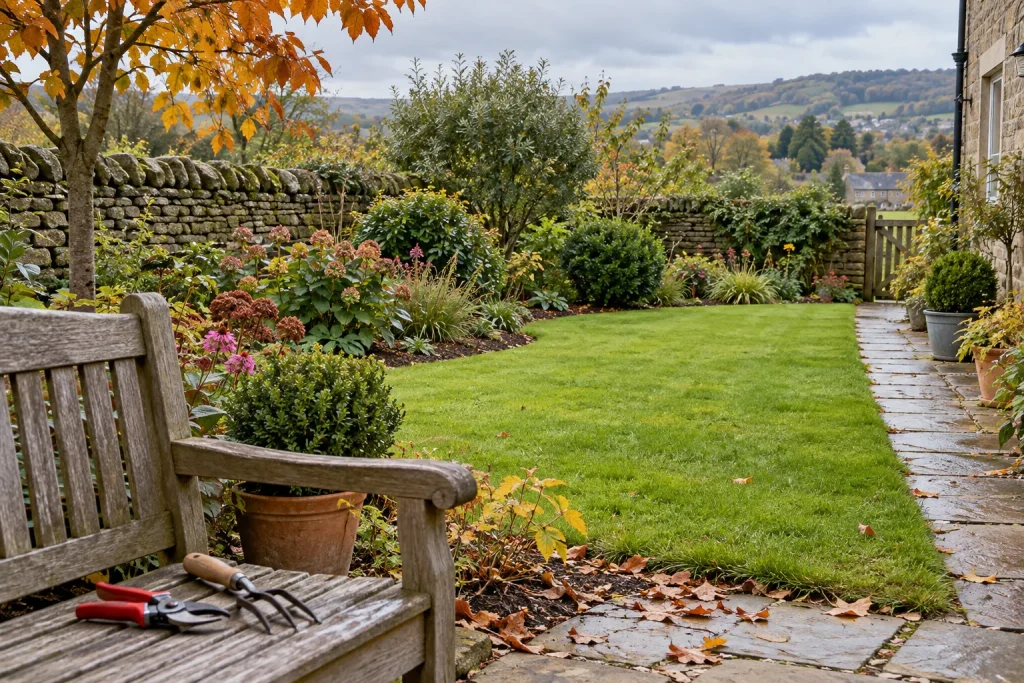
A successful garden requires ongoing care throughout the year tailored to each plant and area. In spring, plant and fertilise. In summer, monitor watering and manage pests. Autumn involves pruning and preparing for winter. Year-round activities like weeding, mulching, and checking soil health are vital for thriving gardens. A regular maintenance schedule, mowing every two weeks during peak growth and weekly weeding, helps gardeners create resilient ecosystems that adapt to seasonal changes and enhance outdoor beauty.
Recurring Garden Maintenance Schedules
Establishing a regular maintenance schedule is key for any garden to thrive. Mowing the lawn every two weeks during peak growing months, from March to October, keeps it tidy and helps plants grow strong. Weeding should be part of your weekly routine during this season; catching young weeds early makes them easier to remove before they take over. Consistently watering your garden, aiming for about an inch of moisture each week, supports plant health without risking overwatering that can cause root rot or disease.
Daily inspections are important; checking for pests regularly can help you address issues before they escalate and harm your plants. Alongside these tasks, setting aside time each month allows you to track progress and adjust based on weather changes and specific plant needs, a proactive approach that encourages long-term success in creating beautiful outdoor spaces throughout the year.
Seasonal Gardening Tasks Overview
Each season presents distinct tasks that match the changing needs of a garden.
During winter, gardeners focus on resting and preparing for the future; this is a time to plan upcoming plantings and evaluate structural maintenance needed for the year ahead.
As spring arrives, excitement grows as seeds are sown and seedlings nurtured indoors, laying the groundwork for healthy growth.
The summer sun requires attention, keeping moisture levels up is crucial because plants absorb water deeply during hotter days. Managing pests proactively helps maintain a balanced outdoor ecosystem.
When fall comes, it’s important to clean up faded blooms and prepare beds for dormancy; adding mulch can shield roots from frost damage later.
Throughout these changes, essential practices like regular soil checks and maintaining clear borders will help ensure your garden stays vibrant throughout the year’s cycle.
The Pros & Cons of Year-Round Garden Care
Pros
-
Regular maintenance keeps outdoor areas healthy, usable, and looking good all year round.
-
Checking for pests and diseases daily helps you catch problems early, making treatments work better.
-
A structured schedule allows you to manage tasks effectively by grouping similar jobs together, saving time and effort.
-
Adding a 2-inch layer of mulch each year boosts soil health and cuts down on watering needs.
-
Seasonal planning ensures that planting happens at the best times for local conditions, leading to better crop yields.
Cons
-
Keeping a garden going all year takes regular attention, about 15 minutes each day on average.
-
Weather changes can throw off your planned tasks, so it's important to be flexible with your schedule.
-
Some maintenance jobs need to wait until the right time of year (like avoiding hedge pruning from March to August).
-
New gardeners or those with little experience may feel overwhelmed by the ongoing need to monitor their plants.
Lawn Care and Soil Health Practices
Maintaining a healthy lawn and ensuring your garden’s soil stays in good shape require regular care. Mowing is essential for lawn maintenance; during the growing season, you may need to mow every two weeks or weekly if the grass grows quickly. Weeds can take over if ignored, weekly weeding helps control them so your flowers and grasses thrive without competing for nutrients. Watering is crucial and requires attention to plant needs; tracking moisture levels ensures each type gets enough water while preventing soggy soil that could damage roots.
Soil Health
Soil health plays a key role in how well your garden thrives. Aerate and fertilise at least once a year, ideally in spring or fall when plants benefit from extra nutrients before their busiest seasons start. This practice improves drainage and helps roots access oxygen more easily, leading to better growth across different types of plants. Using mulch keeps weeds down while retaining moisture in the soil, a great strategy during dry periods.
By following these routines throughout the year, gardeners build strong ecosystems that can handle seasonal changes while looking good all year long.
Pruning Shrubs and Hedges Effectively
Pruning is an art that enhances the health and appearance of shrubs and hedges. Knowing when and how to prune affects flowering, growth patterns, and plant longevity. Spring-flowering shrubs benefit from pruning after blooming, promoting new growth and encouraging more flowers in subsequent seasons. In contrast, summer-flowering types require early spring cuts before their growing season begins. Timing is crucial; avoiding trimming between March and August protects nesting birds.
Techniques vary by plant type but typically start with removing dead or diseased wood to maintain garden health. Trimming formal hedges twice a year maintains clear shapes that enhance landscape design, while informal ones may only need annual attention to preserve their natural beauty. By following this seasonal routine of cutting back branches or reshaping bushes, gardeners support healthier plants that enrich personal enjoyment and community green spaces, embracing nature’s cycles while building resilient gardens ready for future changes.
Seasonal Tasks for Thriving Gardens
| Task | Frequency | Timing |
|---|---|---|
| Lawn Mowing | At least once per month | March to October: at least once per fortnight; increase during wet periods, decrease during dry ones |
| Weeding | Once per week during growing season; at least once per month during the rest of the year | Growing season: March to October |
| Watering | At least once per week | General rule: one inch of water per week, including rainfall |
| Pest and Disease Checks | Daily | |
| Lawn Aerating and Fertilising | At least once per year | Ideally in spring or autumn |
| Pruning Shrubs and Hedges | 1 to 3 times per year | Avoid hedge pruning between March and August |
| Mulching | Once a year | Ideally in spring or autumn |
Garden Planning Tools and Records
Effective garden planning relies on using the right tools and maintaining accurate records. A garden journal allows gardeners to document their successes and challenges each season. This record-keeping aids future decisions and can inspire new ideas. Knowing local growing zones helps select plant varieties that will thrive in the climate, ensuring choices are based on environmental factors rather than personal preference.
To enhance gardening strategies, soil tests provide crucial information about nutrient levels and pH balance, enabling targeted adjustments for improved soil health. Combining these practices with organised task lists simplifies maintenance throughout the year; grouping related tasks increases efficiency during busy periods while ensuring nothing is overlooked.
Crop Rotation
Using methods like crop rotation can improve soil quality over time and reduce pest issues, a technique well-documented by horticulturists like Niki Jabbour, who maximises yields even in challenging climates like Nova Scotia’s winters. Dedicating just 15 minutes daily fosters a thriving ecosystem ready for growth and beauty through every season without losing sight of personal goals or community efforts toward shared green spaces.
Garden Clearance and Border Restoration
Garden clearance and border restoration are essential tasks that prepare outdoor spaces for changing seasons, ensuring they look good and function well. Clearing debris like fallen leaves, grass clippings, or unwanted items is key to preventing pests from settling in neglected areas. This cleanup improves the garden’s appearance and creates a healthier environment by reducing breeding grounds for disease-carrying insects. As gardeners engage in this process, they pave the way for new plants while refreshing existing landscapes.
Border Restoration
Border restoration plays an equally vital role; it defines areas within gardens and enhances overall design. To maintain plant health along borders, it is necessary to remove weeds that compete with desired plants and improve soil quality using organic options like compost or aged manure. When restoring these edges, there is an opportunity to prune overgrown plants or move them if needed, allowing more light and air circulation essential for growth. Adding edging made of stone or wood can further outline areas, boosting both functionality and design appeal throughout each season’s cycles.
Secrets of Year-Round Garden Care Revealed
-
Many gardeners think mowing should only happen in warmer months, but a maintenance plan recommends mowing at least once a month all year to keep the lawn tidy.
-
A common myth is that weeding can be done occasionally; yet, it’s best to weed once a week during the growing season and at least once a month for the rest of the year to manage them effectively.
-
Some believe watering can be done anytime, but gardens usually need about one inch of water each week, rainfall included, to stay healthy.
-
It’s often thought that checking for pests can wait, but daily inspections are recommended to catch issues early and make treatment easier.
-
Many see mulch as just decoration; yet, a 2-inch layer not only looks good but also improves soil health, retains moisture, blocks weeds, and stabilizes temperature.
Structural Maintenance and Safety Precautions
Addressing structural maintenance and safety precautions is crucial for keeping any garden or outdoor space in good shape. Regularly checking paths, fences, and structures ensures everything remains strong and safe. Inspecting wooden features like pergolas and arbours is important; they often require repairs or treatments with wood preservatives to protect against rot, especially during dry spells when timber is more prone to damage. Seasonal changes also necessitate checks on hardscaping; cleaning algae from patios improves appearance and reduces slipping risks in wet weather. Maintaining tools, like scrubbing watering cans to prevent fungal diseases, is key for supporting healthy plant life.
Winter Preparations
As winter approaches, removing outdated chemicals from sheds becomes essential; this protects health and the environment by following waste disposal regulations. Routine tasks like resurfacing paths when conditions permit help reduce issues caused by overgrown plants encroaching on walkways while keeping spaces welcoming year-round. By incorporating these practices into maintenance schedules, gardeners create safer environments that enhance plant growth and enjoyable outdoor experiences, all important for thriving community green spaces through changing seasons.
Professional Gardening Support Options
Engaging professional gardening support can streamline garden maintenance, particularly for large or complex landscapes. Homeowners may benefit from working with landscape designers skilled in creating outdoor spaces that reflect personal preferences and local conditions. Hiring gardeners ensures essential tasks like mowing and weeding are consistently managed, especially during busy seasons when time is limited.
Your Year-round Gardening Journey
The journey of year-round gardening goes beyond aesthetics; it involves caring for the environment, understanding plant needs, and engaging with the community. Gardeners should view each season as an opportunity to grow their skills and knowledge. Winter is a time to reflect on successes while planning ahead. It’s ideal for sketching new garden layouts or selecting plant varieties that will thrive in the coming months. When spring arrives, there’s an exciting energy that encourages gardeners to start sowing seeds indoors and outdoors, setting the stage for vibrant summer blooms.
In summer’s heat, gardens require attention, consistent watering is essential as plants enter their growth phase. Regular checks help identify pest problems early before they threaten entire crops. By fall, there’s a sense of accomplishment in harvesting produce and preparing beds for winter; mulching protects roots from frost while improving soil health through decomposition.
Documentation
Throughout these changes, careful documentation proves helpful, a garden journal tracks activities and sparks creativity for future adjustments. Dedicating just 15 minutes daily can lead to better results over time, allowing gardeners to build resilience in their outdoor spaces while positively impacting community green areas.
FAQ
What is the recommended frequency for mowing lawns during the primary growing season?
During the growing season, mowing may be needed weekly or every two weeks, depending on how quickly the grass is growing.
How often should gardeners check for pests and diseases in their gardens?
Check plants regularly while watering and weeding, looking for damaged leaves, unusual growth or other signs of trouble.
What is the ideal thickness of mulch to apply for efficiency?
The plan suggests a layer of mulch around 5 cm deep; check the material and the planting before applying it.
What are some key tasks that should be completed during each gardening season?
Use winter for planning, spring for planting and preparation, summer for mowing and watering as needed, and autumn for clearing leaves and preparing beds.