
Prevent Autumn Garden Diseases in Shipley
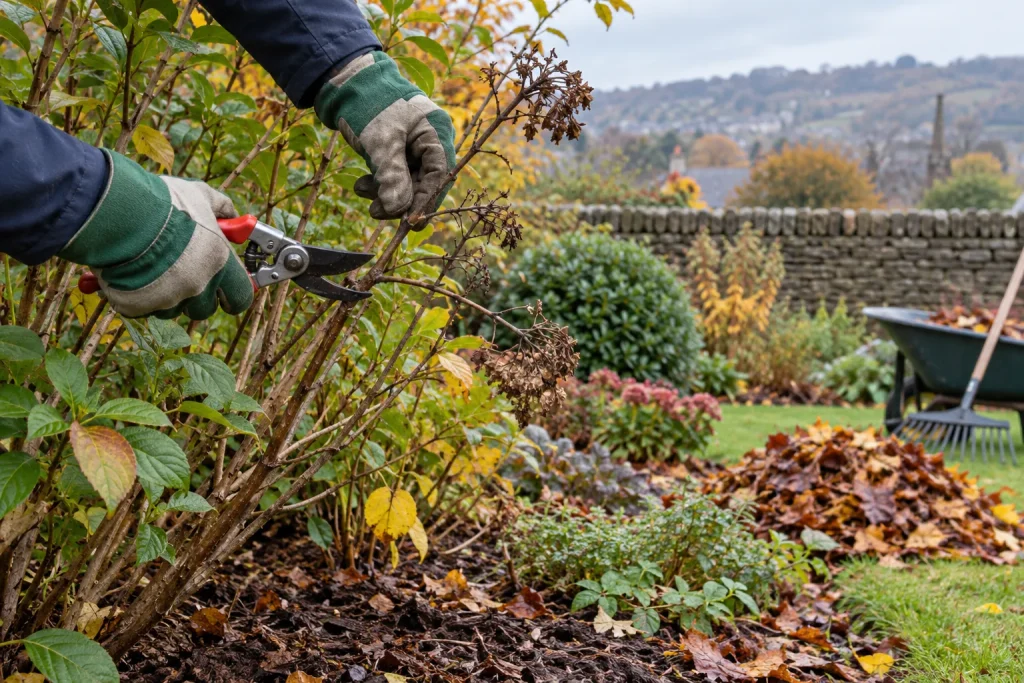
Autumn is a useful time to check the condition of lawns, borders and shrubs before winter. The aim is to notice a problem early and identify it before choosing a treatment. Yellow leaves or a brown lawn patch do not, on their own, tell you which disease is present.
Start with the plant and the symptoms
Record which plant is affected, when the change appeared and whether it is spreading. A photograph of the whole plant alongside a close-up of the leaves is more helpful than a close-up alone. Check whether nearby plants have the same symptoms and whether the affected area is unusually shaded, dry or wet.
Seasonal leaf change can look worrying when you are unfamiliar with a plant. Avoid treating every mark as an infection. Identification should come before a treatment plan, particularly where several possible problems produce similar-looking damage.
Check lawns after damp spells
The RHS notes that fungal lawn problems can develop during warm, damp autumn weather. Its autumn lawn-care guide links to specific information on red thread, rust, fusarium patch and other causes of poor lawn appearance. Use the symptoms and the lawn’s condition to decide which advice is relevant.
Keep a note of mowing, recent feeding and the timing of the damage. If you arrange ongoing lawn care, share those details so the condition of the grass is part of the brief, alongside cutting frequency and access.
Use garden hygiene where it is relevant
For powdery mildew, the RHS recommends practical hygiene measures such as removing affected debris and cleaning tools. That is guidance for an identified problem; it does not mean every fallen leaf in a garden is diseased or needs identical handling.
Keep suspect material separate while you check the advice for the affected plant. If a border has a recurring problem, make a note of which plants are involved rather than applying one response across the whole bed. The source links below provide a better starting point than choosing a product from a photograph alone.
Match watering and upkeep to conditions
Check the soil or compost before adding more water, particularly in containers. A calendar reminder is less useful than knowing whether the root area is still moist. Consider blocked container drainage, overcrowding and neglected debris as part of the inspection, without assuming they explain every symptom.
Keep routine work manageable. A short inspection while weeding or clearing leaves can reveal changes that would otherwise be missed. Record what you find, then return to the same plant or lawn patch to see whether it has improved or spread.
Avoid a blanket autumn treatment
Do not turn an uncertain diagnosis into a promise that spraying, feeding or cutting back will solve it. The relevant action depends on the plant and problem. Pruning also needs to suit the species and its flowering habit, rather than being applied to every shrub as an autumn clean-up task.
Shipley Gardeners can discuss the routine maintenance needed around lawns, beds and shrubs. Specialist disease identification or treatment should be scoped separately where it is required. For an enquiry, describe the garden work you want and include clear photographs of any concern.
Make a simple record for next season
Keep the plant name if known, the date, photographs and any advice followed. Record the actual work done rather than simply writing “disease treated”. This makes a recurring issue easier to explain and helps avoid repeating a measure that did not address the problem.
For help keeping the garden accessible and manageable through autumn, send a maintenance enquiry with the location and tasks. A clear routine-care brief is more useful than assuming that all discoloured leaves need a pest or disease service.
Frequently asked questions
Does yellow foliage always mean disease?
No. Identify the plant and consider seasonal change and growing conditions alongside the symptoms before deciding what advice applies.
Which lawn problems can appear in autumn?
The RHS autumn lawn guide lists several possibilities, including red thread, rust and fusarium patch. A brown patch needs identification rather than a treatment based only on its colour.
Should all fallen leaves be removed as infected waste?
Check the affected plant and the identified problem. Advice for infected material should not be applied indiscriminately to healthy fallen leaves.
What information should I send with an enquiry?
Include the location, plant name if known, photographs, when the symptoms appeared and the routine maintenance tasks you want help with.